
Online Yoga Classes: How Guided Home Practice Supports Long-Term Health
The digital transformation of healthcare and wellness has reshaped how people engage with yoga and lifestyle-based health practices. Online yoga classes are no longer a temporary substitute for studio-based learning; they have evolved into a structured, guided, and evidence-informed approach to sustaining long-term physical and mental health. When delivered responsibly, online yoga supports musculoskeletal health, nervous system regulation, lifestyle balance, and habit formation. This article explores how guided online yoga practice works from scientific, behavioral, and yogic perspectives, explaining why online yoga—when practiced correctly—is not inferior to in-person learning, but a powerful and sustainable model for modern living.
Introduction: Yoga in the Age of Home-Based Living
Modern life has fundamentally altered how people move, work, and recover. Long hours of sitting, extended screen exposure, irregular sleep cycles, reduced outdoor activity, and constant cognitive stimulation define the daily experience of many individuals. Over time, these patterns contribute to postural dysfunctions, joint stiffness, metabolic imbalance, poor sleep quality, anxiety, and stress-related disorders.
Yoga has long been recognized as a holistic system that addresses both physical and mental well-being. However, traditional access to consistent, high-quality yoga instruction has often been limited by factors such as time constraints, commuting challenges, social discomfort, or irregular schedules. For many people, the intention to practice yoga regularly exists, but the structure to sustain it does not.
Online yoga classes bridge this gap by delivering guided instruction directly into the practitioner’s home environment. When designed responsibly, they support continuity, adaptability, and safety—three pillars essential for long-term health outcomes. Rather than being a compromise, online yoga represents a structural evolution that aligns ancient practice with modern lifestyles.
Understanding Guided Yoga Practice Online
Guided online yoga practice refers to live or structured sessions led by a qualified yoga teacher or therapist, where verbal instruction, sequencing logic, and therapeutic intent are prioritized over physical performance or visual imitation.
Unlike unguided video consumption, guided practice emphasizes:
Alignment awareness through clear verbal cues
Breath–movement coordination rather than speed
Progressive loading of joints and muscles
Regulation of the nervous system through pacing and rest
This method closely mirrors traditional yogic pedagogy, where listening (śravaṇa) and mindful execution are central to learning. Historically, yoga was transmitted verbally, with practitioners developing internal awareness rather than external comparison. Online guided practice, when structured correctly, preserves this essence.
Online Yoga for Beginners: Building Safety and Confidence
One of the most persistent misconceptions is that beginners require physical presence to learn yoga safely. In reality, beginners often benefit significantly from online settings when instruction is clear and structured.
Why Online Yoga Works for Beginners
- Reduced performance anxiety
Practicing at home minimizes the pressure to match others’ abilities, allowing beginners to move within their own capacity. - Controlled pace
Online sessions often include detailed explanations, slower transitions, and frequent pauses, which support learning and safety. - Improved internal focus
Motor learning research shows that beginners develop proprioception more effectively when attention is directed inward rather than toward external competition. - Consistency without barriers
Beginners can attend sessions regularly without logistical obstacles, reinforcing learning through repetition.
For many individuals, the home environment creates psychological safety, which is essential for relaxation, learning, and long-term adherence.
Yoga at Home Safely: Scientific and Therapeutic Considerations
Safety in yoga is less about physical proximity and more about instructional clarity, progression logic, and self-awareness. Well-designed online yoga programs apply the same principles used in therapeutic exercise and rehabilitation.
Key Safety Principles in Online Yoga
- Load management
Gradual progression in intensity allows muscles, joints, and connective tissues to adapt safely. - Spinal neutrality and alignment cues
Clear verbal instruction reduces excessive strain on the cervical and lumbar spine. - Breath regulation
Encouraging nasal breathing and relaxed exhalation helps prevent overexertion and fatigue. - Contraindication awareness
Responsible instructors offer modifications and encourage participants to respect pain signals rather than push through discomfort.
Research in exercise therapy consistently shows that guided home-based programs can be as effective as supervised clinical sessions when adherence and instruction quality are high. In yoga, clarity of guidance often matters more than physical correction.
Long-Term Musculoskeletal Health Through Consistency
Musculoskeletal issues such as chronic back pain, joint stiffness, and postural imbalance rarely arise from a single incident. They develop gradually through repetitive stress, prolonged inactivity, and poor movement habits.
Online yoga supports long-term musculoskeletal health by enabling frequency, which is more important than intensity.
How Consistent Practice Supports the Body
- Regular movement maintains joint lubrication and cartilage health
- Balanced strengthening reduces postural asymmetrie
- Gentle spinal mobility preserves range of motion
- Deep stabilizing muscles support joint integrity
Consistency transforms yoga from an occasional activity into a preventive health strategy. When practice becomes part of daily or weekly routine, the body adapts progressively without overload.
Nervous System Regulation and Mental Health
One of the most underappreciated benefits of online yoga is its impact on the autonomic nervous system. Chronic stress keeps the body in a state of heightened alertness, impairing recovery, sleep, digestion, and emotional regulation.
Guided online yoga practices often integrate:
Slow, rhythmic breathing
Longer exhalation phases
Mindful transitions between postures
Restorative pauses
These elements promote parasympathetic nervous system activity, supporting relaxation and stress resilience. Practicing in a familiar home environment further enhances this response by reducing external stimulation.
For individuals experiencing anxiety, burnout, or sleep disturbances, online yoga can feel more accessible and calming than public settings, improving consistency and emotional safety.
Behavioral Psychology: Why Home Practice Is Sustainable
Long-term health is not driven by motivation alone, but by habit formation. Many people begin wellness routines enthusiastically but struggle to sustain them due to logistical or psychological friction.
Online yoga reduces several barriers simultaneously:
No commuting time
Flexible scheduling options
Familiar and comfortable environment
Lower social pressure
Behavioral psychology research shows that reducing “activation energy”—the effort required to start a behavior—significantly increases adherence. When yoga becomes logistically simple, it becomes psychologically sustainable.
Over time, consistency shifts identity: yoga is no longer something one tries to fit in, but something that naturally belongs to daily life.
Online Yoga vs In-Person Classes: A Balanced Perspective
The discussion around online versus in-person yoga is often framed as a debate. In reality, it is a matter of suitability rather than superiority.
| Aspect | Online Yoga | In-Person Yoga |
|---|---|---|
Accessibility |
High |
Limited by location |
Consistency |
Easier to maintain |
Often disrupted |
Environment |
Personalized |
Shared |
Learning depth |
Strong with guidance |
Strong with hands-on cues |
For long-term health outcomes, consistency and correct guidance matter more than physical location. Many practitioners benefit from combining both formats at different stages of life.
Therapeutic Scope of Online Yoga
When instructors adopt a therapeutic, regulation-focused mindset rather than a performance-driven approach, online yoga becomes a powerful tool for preventive and supportive care.
Online yoga is particularly effective for:
Postural correction
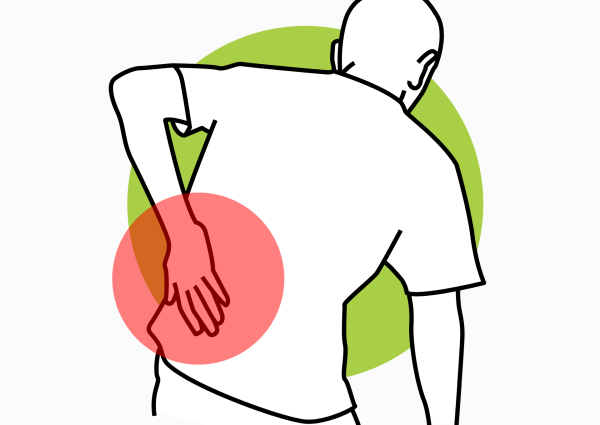
Back and neck discomfort
Stress-related tension
Lifestyle-related stiffness and fatigue
The key lies in thoughtful sequencing, clear instruction, and respect for individual variability rather than uniform performance.
Philosophical Alignment with Classical Yoga
Contrary to popular belief, classical yoga was never confined to studios or group classes. Historically, practice occurred in simple, personal spaces under verbal guidance, with emphasis on discipline, awareness, and inner regulation.
Online yoga, when approached mindfully, aligns with this tradition by emphasizing:
Awareness over aesthetics
Discipline over display
Inner regulation over external validation
Technology becomes a medium—not a deviation—through which timeless principles are expressed in contemporary form.
Limitations and Responsible Use
Online yoga is not a replacement for medical care or hands-on rehabilitation in acute or complex conditions. Individuals with severe injuries, neurological conditions, or post-surgical needs should seek appropriate professional supervision.
Responsible instructors clearly communicate limitations, encourage self-awareness, and avoid universal prescriptions. Ethical online yoga prioritizes safety, education, and empowerment over promises or performance.
Frequently Asked Questions
Yes. When practiced consistently under proper guidance, online yoga classes can support long-term physical and mental health by improving movement quality, posture, stress regulation, and lifestyle balance.
Guided online yoga is generally safe for beginners when sessions are structured, paced gradually, and focused on awareness rather than performance. Clear verbal cues and modifications help beginners practice safely.
Online yoga can support posture awareness, spinal mobility, and muscular balance when practiced regularly. It is especially helpful for lifestyle-related discomfort caused by prolonged sitting and reduced movement.
Guided online yoga involves structured sessions led by qualified instructors who focus on sequencing, breath coordination, and safety. Random videos often lack progression, personalization, and therapeutic intent.
Yes. Online yoga classes reduce time barriers such as commuting and allow flexible scheduling, making them easier to integrate into busy daily routines.
Consistency matters more than duration. Short, regular sessions practiced multiple times per week are generally more beneficial than occasional long sessions.
Yes. Guided online yoga often includes breathwork and mindful movement that support nervous system regulation, helping reduce stress and improve emotional balance.
No. Online yoga is a supportive lifestyle practice and does not replace medical diagnosis or treatment. Individuals with health conditions should consult healthcare professionals as needed.
Most online yoga classes require minimal equipment, such as a yoga mat and comfortable clothing. Many practices can be adapted using household support if needed.
Online yoga supports habit formation by reducing logistical barriers, providing guided structure, and allowing practice in a familiar environment, which encourages long-term consistency.
Accordion Content


Conclusion
Online yoga classes, when guided ethically and practiced mindfully, offer a sustainable, safe, and scientifically grounded approach to long-term health. They support musculoskeletal resilience, nervous system balance, and behavioral consistency—three foundations of holistic well-being.
Rather than viewing online yoga as a compromise, it should be recognized as an evolution that aligns ancient wisdom with modern living. The effectiveness of yoga lies not in where it is practiced, but in how consistently and consciously it is integrated into daily life.
Founder, Yoga Therapist & Ayurvedic Nutrition Guide at SoulKaya
Atul Gautam works with individuals and families to support lifestyle balance through structured yoga practice, breathwork, and supportive nutrition principles, focusing on long-term consistency and sustainable health habits.
Last updated: January 2026
References
- World Health Organization (WHO)
Guidelines on Physical Activity and Sedentary Behaviour
https://www.who.int/publications/i/item/9789240015128 - National Center for Complementary and Integrative Health (NCCIH)
Yoga: What You Need To Know
https://www.nccih.nih.gov/health/yoga - Cramer, H., et al.
Yoga for Chronic Pain: A Systematic Review and Meta-Analysis
Journal of Pain Research
https://www.ncbi.nlm.nih.gov/pmc/articles/PMC5378735/ - Streeter, C. C., et al.
Effects of Yoga on the Autonomic Nervous System, Gamma-Aminobutyric Acid, and Allostasis
Medical Hypotheses
https://pubmed.ncbi.nlm.nih.gov/18440654/ - Harvard Health Publishing
Yoga for Better Health
https://www.health.harvard.edu/staying-healthy/yoga-for-better-health - American College of Sports Medicine (ACSM)
Exercise Is Medicine – Physical Activity Guidelines
https://www.exerciseismedicine.org/support_page.php/physical-activity-guidelines/ - Feuerstein, Georg
The Yoga Tradition: Its History, Literature, Philosophy and Practice
Hohm Press
(Book reference for classical yoga philosophy)