
Why Lifestyle Disorders Are Increasing in Young Adults & How Yoga Helps Naturally
Lifestyle disorders such as obesity, type 2 diabetes, hypertension, hormonal imbalance, digestive issues, and stress-related mental health concerns are rising rapidly among young adults. Sedentary routines, poor dietary habits, chronic stress, irregular sleep, and modern environmental factors are major contributors. Yoga addresses many of these root causes through structured movement, breath regulation, stress management, and lifestyle awareness, making it a practical and preventive approach for long-term health.
Introduction: A Growing Health Concern Among Young Adults
Lifestyle disorders were once associated mainly with middle age or later years. Today, young adults in their 20s and 30s are increasingly experiencing persistent fatigue, stress, disturbed sleep, digestive discomfort, postural pain, weight fluctuations, and emotional imbalance.
These problems rarely appear suddenly. In most cases, they develop quietly over years of lifestyle imbalance. Long working hours, academic pressure, excessive screen time, irregular meals, reduced physical activity, and poor sleep gradually strain the body and mind. What often begins as “normal tiredness” slowly turns into deeper health challenges.
Through experience working with students, professionals, and families, it becomes clear that many lifestyle-related issues are early warning signs rather than irreversible conditions. Addressing them early through consistent lifestyle correction can make a significant difference.

The Rising Trend: What We Are Seeing Today
Across the world, health observations and population trends show that lifestyle-related problems are appearing earlier than before. Young adults are increasingly dealing with issues once considered age-related, including metabolic imbalance, stress disorders, and chronic fatigue.
This trend is not limited to one country, profession, or social group. It reflects broader changes in how people live, work, eat, rest, and manage stress. Modern conveniences have reduced physical effort, while mental load and performance pressure have increased significantly.
Importantly, most of these conditions are closely linked to daily habits rather than sudden illness. This means they are strongly influenced by lifestyle choices and routines.

Why Lifestyle Disorders Are Increasing
Lifestyle disorders develop gradually through repeated daily habits. Several factors often work together rather than acting alone.
1. Sedentary Lifestyle and Reduced Movement
Modern work and study environments involve long hours of sitting. Even people who exercise occasionally may remain inactive for most of the day. Prolonged sitting affects posture, circulation, joint health, and metabolic function. The human body is designed for regular movement, not extended stillness.
2. Unhealthy and Irregular Eating Habits
Busy schedules often lead to skipped meals, late-night eating, and reliance on packaged or processed foods. Over time, these habits disturb digestion, energy levels, and metabolic balance, especially when formed early in life.
3. Chronic Stress and Poor Sleep
Young adults face constant pressure related to education, careers, finances, and social expectations. Chronic stress and irregular sleep patterns disrupt the body’s natural regulation systems, contributing to fatigue, emotional imbalance, cravings, and reduced resilience.
4. Environmental and Early Lifestyle Influences
Urban living, limited green spaces, reduced physical play, early screen exposure, and lack of lifestyle education shape habits from a young age. These influences accumulate over time and affect long-term health.
5. Managing Symptoms Without Lifestyle Change
Many people attempt to manage symptoms without addressing underlying habits. While medical support is important when needed, sustainable health requires correcting daily routines related to movement, stress, sleep, and nourishment.

How Yoga Supports Lifestyle Health Naturally?
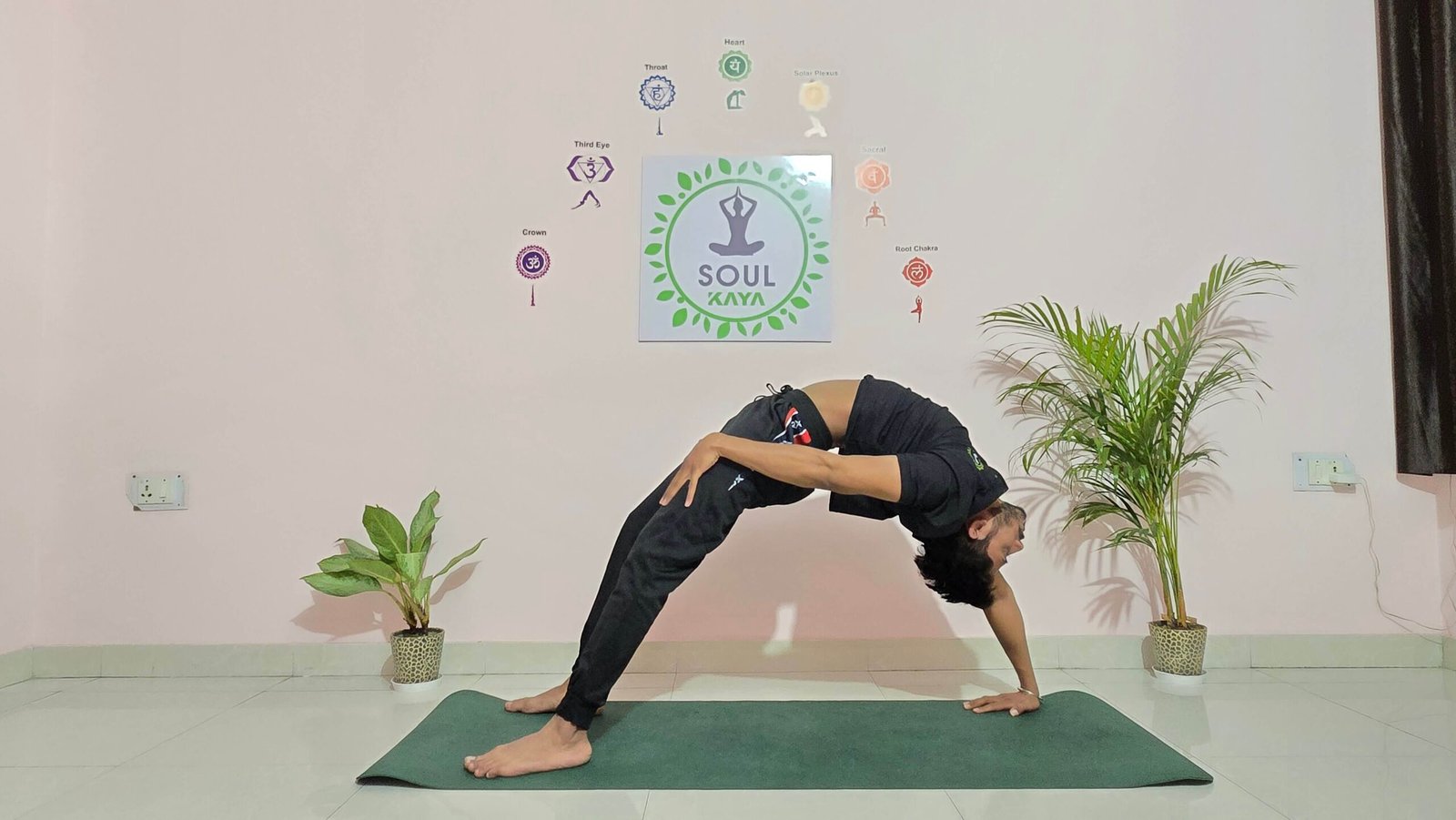
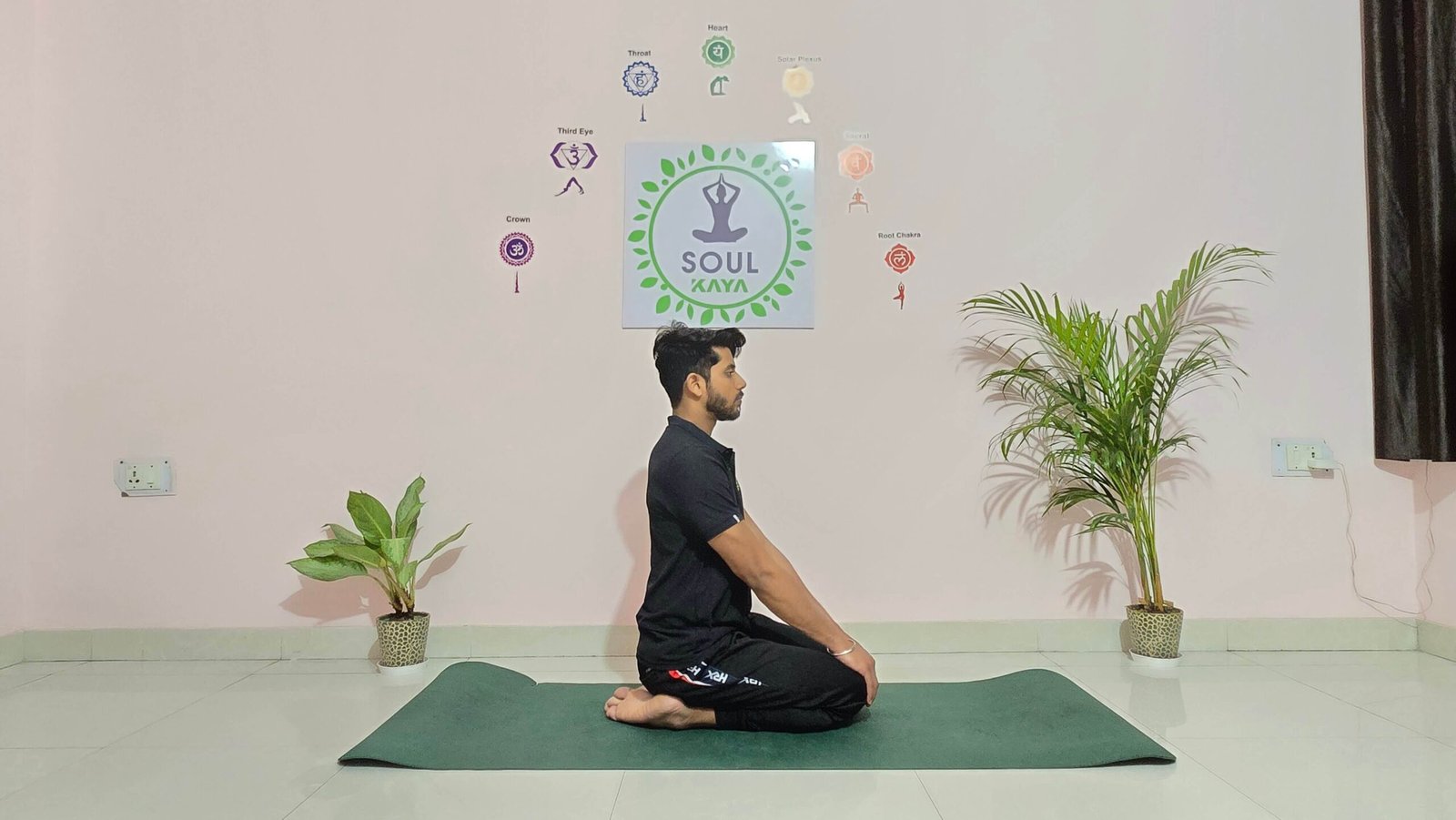
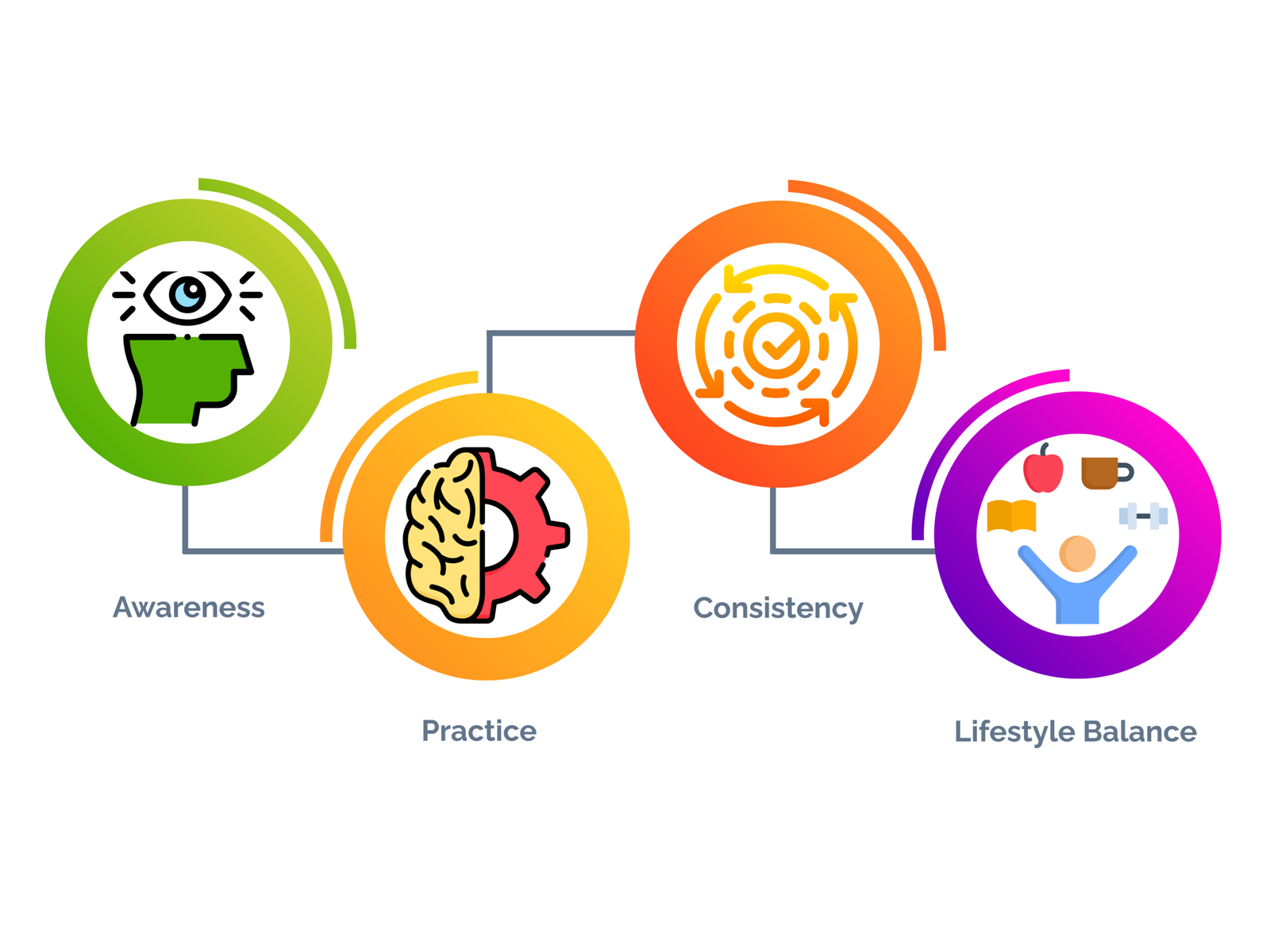
Yoga is more than physical exercise. It is a structured lifestyle practice that integrates movement, breath regulation, and awareness. Together, these elements support the body and mind in multiple ways.
1. Supports Physical Balance and Mobility
Yoga improves posture, flexibility, coordination, and body awareness. Regular practice supports joint health, circulation, and functional movement, which are essential for long-term physical balance.
2. Reduces Stress and Emotional Overload
Breathing practices and mindful movement help calm the nervous system. Reduced stress supports better digestion, improved sleep, and healthier daily choices.
3. Encourages Sustainable Habits
Yoga cultivates awareness of physical and mental states. This awareness helps individuals recognize early signs of imbalance, improve posture and movement patterns, and develop consistency rather than extreme routines.
4. Accessible and Beginner-Friendly
Yoga can be adapted to different fitness levels and physical conditions. Its low-impact nature makes it suitable for beginners and those returning to movement after long inactivity.
5. Supports Sleep and Recovery
Relaxation and breath-based practices help improve sleep quality and support the body’s natural recovery processes, which are essential for overall well-being.

Yoga as a Preventive Lifestyle Practice
Yoga works best as a preventive and supportive approach. It does not replace medical care, but it complements healthy living by strengthening daily habits that support long-term balance.
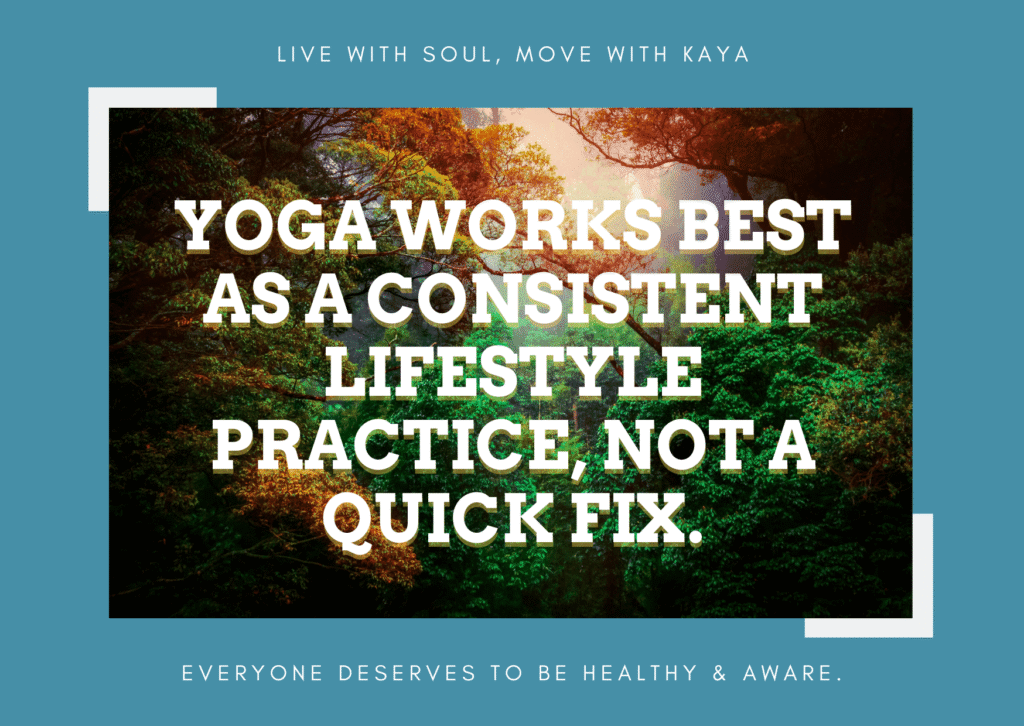
Consistent practice helps the body adapt positively to stress, improves resilience, and supports overall lifestyle regulation. The key is regularity rather than intensity.
What an Effective Yoga Program Looks Like
Not all yoga programs support lifestyle change equally. Effective programs share certain characteristics:
Short, regular sessions rather than occasional long workouts
Structured practice focusing on posture and breath
Stress-regulating techniques alongside movement
Lifestyle awareness beyond the mat
Support and accountability for consistency

Why Online Yoga Works for Young Adults?
Online yoga fits well into modern lifestyles. It removes travel barriers, saves time, and allows practice from the comfort of home. This accessibility makes it easier to stay consistent, especially for students and working professionals with busy schedules.
When guided properly, online yoga can be just as effective as in-person sessions for supporting lifestyle balance.
How SoulKaya Supports Lifestyle Yoga Therapy?
At SoulKaya, yoga is offered as lifestyle therapy rather than isolated exercise. The focus is on structured and organised practice, correct posture, breath regulation, and supportive nutrition principles rooted in Ayurvedic understanding.
The goal is not quick results but sustainable habit-building. Through guided sessions and optional health development tracking, students are supported in building consistency and awareness. Over time, this approach helps individuals reconnect with their health through daily practice.
Frequently Asked Questions
Because modern lifestyles involve long sitting hours, chronic stress, irregular eating, and poor sleep patterns, often starting early in life.
Yoga supports prevention by improving movement, stress regulation, sleep quality, and self-awareness when practiced consistently.
Practicing yoga three to five times per week is ideal for lifestyle-related benefits.
Yes. Structured and guided online yoga classes can be highly effective when practiced consistently.

Important Health Note
Yoga and lifestyle practices are supportive tools for well-being and prevention. They do not replace medical diagnosis or treatment. Individuals with existing medical conditions should consult qualified healthcare professionals before making significant lifestyle changes.
Conclusion
Lifestyle disorders among young adults are increasing due to long-term changes in movement, diet, stress, sleep, and environment. Yoga addresses several of these root causes simultaneously by supporting physical balance, stress reduction, improved sleep, and self-regulation. When practiced consistently within a structured and supportive framework, yoga becomes a practical and accessible strategy for long-term lifestyle health.
Written by Atul Gautam
Founder, Yoga Therapist & Ayurvedic Nutrition Guide at SoulKaya
Atul Gautam works with individuals and families to support lifestyle balance through structured yoga practice, breathwork, and supportive nutrition principles, focusing on long-term consistency and sustainable health habits.
Last updated: January 2026
References
World Health Organization (WHO) – Physical activity and sedentary behaviour
https://www.who.int/news-room/fact-sheets/detail/physical-activityCenters for Disease Control and Prevention (CDC) – Chronic disease prevention and lifestyle-related health
https://www.cdc.gov/chronicdisease/about/index.htmNational Center for Complementary and Integrative Health (NIH) – Yoga: What you need to know
https://www.nccih.nih.gov/health/yoga-what-you-need-to-knowHarvard Health Publishing – Exercise, stress, sleep, and lifestyle health
https://www.health.harvard.edu/topics/exercise-and-fitnessPubMed (U.S. National Library of Medicine) – Research on yoga, stress, and lifestyle health
https://pubmed.ncbi.nlm.nih.gov/?term=yoga+stress+lifestyle