
How Daily Yoga Can Improve Back Pain, Posture, and Spine Health
Back pain, poor posture, and spinal discomfort have become increasingly common in modern life due to prolonged sitting, excessive screen time, chronic stress, and lack of mindful movement. While medications may offer temporary relief, they often fail to address the root causes. Daily yoga practice provides a natural and sustainable solution by improving spinal alignment, strengthening postural muscles, enhancing flexibility, and calming the nervous system. This article explores how regular yoga can reduce back pain, correct posture, and support long-term spine health for people of all ages.
Introduction: Why Back Pain and Posture Problems Are Increasing
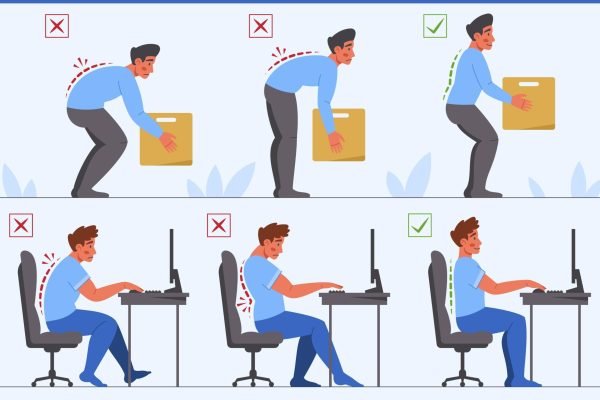
Modern lifestyles demand long hours of sitting—at desks, in vehicles, and in front of digital screens. Over time, these habits place unnatural and continuous stress on the spine. Unlike our ancestors, who moved frequently throughout the day, modern humans often remain in the same position for hours.
This leads to a cascade of physical changes, including:
Tight hip flexors and hamstrings
Weak core and spinal stabilizing muscles
Rounded shoulders and forward head posture
Reduced spinal mobility and joint stiffness
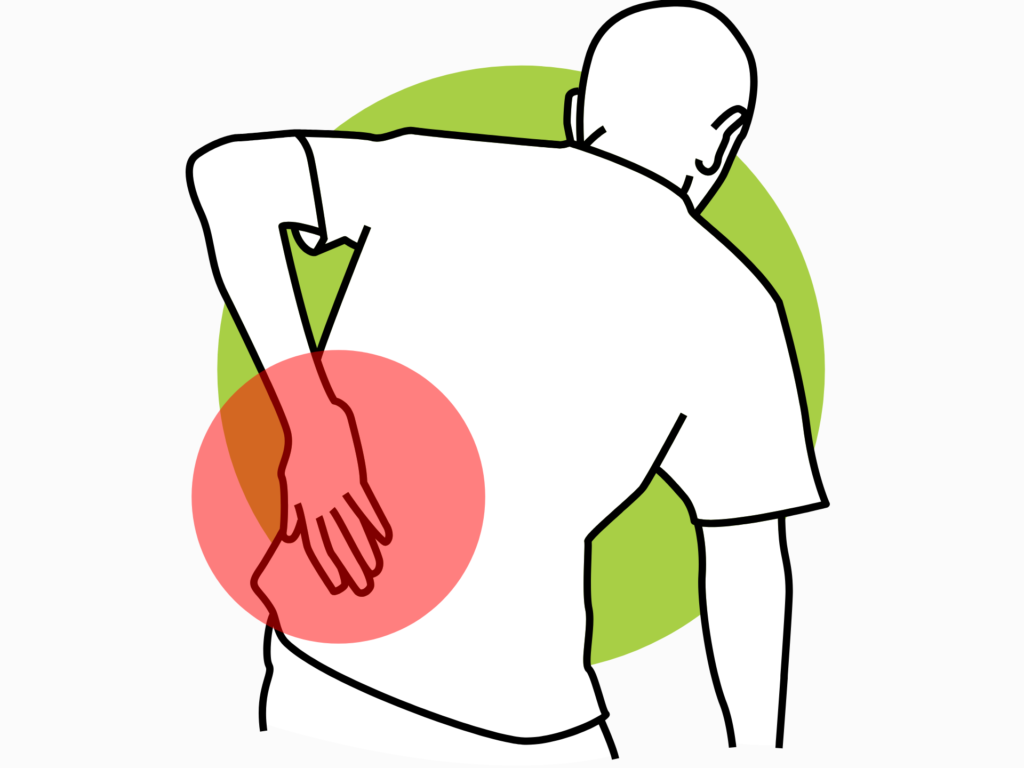
Chronic lower back, neck, and shoulder pain
Poor posture is not merely a cosmetic issue. It interferes with breathing efficiency, compresses spinal discs, disrupts nerve communication, and increases strain on muscles and joints. Over time, this can lead to recurring pain, fatigue, headaches, and reduced quality of life.
Yoga works holistically—on muscles, joints, breath, posture awareness, and the nervous system—making it one of the most effective long-term practices for spinal well-being.
Understanding the Spine – The Foundation of Movement
The spine is a living, dynamic structure designed for movement in multiple directions:
Flexion (forward bending)
Extension (backward bending)
Rotation (twisting)
Lateral bending (side bending)
When these movements are restricted or imbalanced due to lifestyle habits:
Some muscles become chronically tight and overactive
Other muscles weaken and lose functional strength
Spinal joints lose mobility
The nervous system remains under constant low-grade stress
Yoga restores functional spinal movement by encouraging controlled, mindful motion in all planes. This improves neuromuscular coordination and creates balance between strength and flexibility—both essential for spine health.

How Daily Yoga Helps Relieve Back Pain
1. Releases Muscle Tension Naturally
Daily yoga gently stretches tight muscles around the spine, hips, and shoulders. Unlike aggressive stretching, yoga emphasizes slow, controlled movement combined with breath awareness.
This approach:
Reduces muscle guarding
Improves blood circulation
Enhances oxygen delivery to tissues
Supports natural recovery of muscles and connective tissues
As tension decreases, pressure on the spine reduces, leading to gradual pain relief.
2. Strengthens Core and Spinal Support Muscles
Many back pain issues stem from weak stabilizing muscles rather than injury alone. When the core is weak, the spine compensates by overloading certain segments.
Yoga strengthens:
Deep abdominal muscles
Pelvic stabilizers
Spinal extensors
Postural muscles of the back and shoulders
This balanced strengthening reduces excess strain on the lower back and supports the spine during daily activities like sitting, standing, and lifting.
3. Improves Spinal Mobility and Joint Health
The spine relies on regular movement for nourishment. Spinal discs receive hydration and nutrients through movement, not stillness.
Daily yoga:
Maintains joint lubrication
Prevents stiffness
Supports disc health
Preserves range of motion
This is especially important for individuals with sedentary routines, as prolonged immobility accelerates stiffness and degeneration.
4. Reduces Stress-Related Pain
Mental stress often manifests physically as muscle tension—particularly in the neck, shoulders, and lower back.
Yoga integrates:
Conscious breathing
Mindfulness
Nervous system regulation
This calms the stress response, lowers muscular tension, and reduces psychosomatic pain patterns that medications alone cannot resolve.



Posture Correction Through Yoga
Posture is not something to be forcefully held. It is the natural outcome of muscular balance, joint alignment, and body awareness.
Common Postural Imbalances
Rounded shoulders
Forward head posture
Excessive lower-back arch
Collapsed sitting posture
These imbalances often develop gradually and remain unnoticed until pain arises.
How Yoga Corrects Posture Naturally
Yoga improves posture through:
Body awareness: Recognizing daily movement and sitting habits
Muscle balance: Lengthening tight muscles and strengthening weak ones
Breathing patterns: Supporting upright posture without tension
Mindful movement: Carrying awareness beyond the yoga mat
With consistent practice, posture correction becomes effortless rather than forced.
Why Daily Practice Matters More Than Intensity
Many people believe intense workouts are necessary for results, but spine health responds better to consistency than intensity.
Yoga emphasizes:
Regular, gentle strengthening
Controlled spinal flexibility
Nervous system balance
Long-term sustainability
Short daily sessions create cumulative benefits that protect the spine more effectively than occasional high-intensity workouts that may increase injury risk.
Long-Term Spine Health Benefits of Yoga
1. Improved Spinal Alignment
Yoga encourages symmetrical movement patterns, reducing uneven stress distribution across the spine.
2. Disc Health and Longevity
Gentle spinal motion supports disc hydration and elasticity, contributing to long-term spinal resilience.
3. Better Balance and Coordination
A healthy spine improves balance, coordination, and confidence in movement—especially important as we age.
4. Prevention of Chronic Issues
Consistent yoga practice helps prevent recurring pain, stiffness, and degenerative changes associated with inactivity and poor posture.
Who Can Benefit from Yoga for Back Pain and Posture?
Yoga for spine health is adaptable and suitable for:
Office and desk-based professionals
Students with prolonged sitting habits
Homemakers exposed to repetitive physical strain
Older adults seeking safe spinal care
Anyone experiencing stress-related back discomfort
With proper guidance, yoga can be practiced safely across age groups and fitness levels.
The SoulKaya Approach to Spine Care
At SoulKaya, yoga sessions follow a mindful and structured approach that prioritizes:
Safe spinal mobility
Posture awareness
Breath-led movement
Gradual and sustainable progress
Rather than focusing on quick fixes, the emphasis is on building long-term spinal health and body awareness that supports daily life.
Frequently Asked Questions
Yes. Daily yoga can help reduce back pain by improving spinal mobility, strengthening core and postural muscles, and releasing muscle tension caused by prolonged sitting and stress. Consistent, mindful practice supports long-term relief rather than temporary symptom management.
Many people notice improvements in flexibility, posture awareness, and discomfort within a few weeks of consistent practice. However, results vary depending on individual lifestyle, consistency, and the nature of the back pain.
Yoga can be safe for people with back pain when practiced gently and with proper guidance. It is important to avoid forceful movements and focus on controlled, breath-led exercises that support spinal stability and comfort.
Yes. Yoga improves posture by strengthening weak muscles, releasing tight areas, and increasing body awareness. Over time, this helps the body maintain a more natural and upright posture without conscious effort.
No flexibility is required to begin. Yoga for spine health focuses on gradual improvement, safe movement, and awareness. Flexibility develops naturally with consistent practice.
Short daily sessions are generally more beneficial for spine health than irregular intense workouts. Even 20–40 minutes of mindful yoga practice can support spinal mobility and posture when done consistently.
No. Yoga is a supportive lifestyle practice and does not replace medical diagnosis or treatment. Individuals with severe or persistent pain should consult a healthcare professional before starting any new physical practice.
Yes. Yoga is particularly beneficial for office workers as it addresses the effects of prolonged sitting, such as tight hips, weak core muscles, and forward head posture, through gentle and corrective movements.
What makes yoga different from regular exercise for posture correction?
Yes. Beginners can safely practice yoga at home when sessions are structured, guided, and focused on gentle spinal care. Online guided classes can provide clear instruction and support for safe practice.

Conclusion
Back pain and poor posture are not inevitable consequences of modern living—they are signals that the body needs conscious movement and care. Daily yoga practice addresses the root causes by improving spinal mobility, balancing muscular strength, reducing stress, and enhancing posture awareness. When practiced consistently, yoga supports a healthier spine, improved posture, and a better quality of life.
Call to Action
Your spine is central to your health and movement. If you are looking to build strength, correct posture, and care for your back naturally, structured yoga practice can make a meaningful difference.
Explore yoga with SoulKaya and take a step toward a stronger, more resilient spine.
Written by Atul Gautam
Founder, Yoga Therapist & Ayurvedic Nutrition Guide at SoulKaya
Atul Gautam works with individuals and families to support lifestyle balance through structured yoga practice, breathwork, and supportive nutrition principles, focusing on long-term consistency and sustainable health habits.
Last updated: January 2026
References for Further Study
National Center for Complementary and Integrative Health – Yoga for Health
https://www.nccih.nih.gov/health/yogaHarvard Health Publishing – Yoga for Back Pain
https://www.health.harvard.edu/pain/yoga-for-back-painInternational Association for the Study of Pain – Non-Pharmacological Pain Management
https://www.iasp-pain.orgYoga Journal – Spine Health and Yoga
https://www.yogajournal.com