Blog

Your blog category

Blog, Yoga

Yoga for Tight Hips Men 30+: A Therapeutic Solution for Sitting-Induced Stiffness

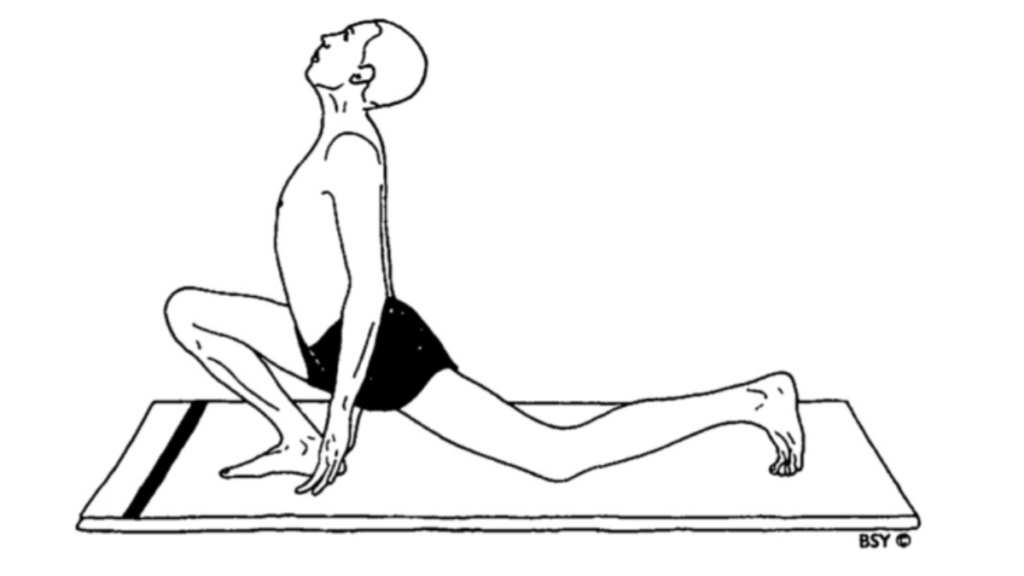
Yoga for Tight Hips Men 30+: A Therapeutic Solution for Sitting-Induced Stiffness If you are a man over 30 with a desk job, long driving hours, or minimal movement during the day, your hips are likely the silent victim. Tight hips are not just a flexibility issue. They are a biomechanical dysfunction that affects: Lower back health Knee tracking Pelvic alignment Athletic performance Even sexual health and circulation Most men try to “stretch more.” That rarely solves the root cause. In this guide, I’ll break down yoga for tight hips men from a therapeutic lens — focusing on anatomy, neuromuscular control, fascia, and joint mechanics — not generic fitness stretching. https://youtu.be/iSZijaND800 Why Men Over 30 Develop Tight Hips (The Real Biomechanics) 1. Chronic Hip Flexion from Sitting When you sit for 6–10 hours daily: The hip joint stays in ~90° flexion The iliopsoas adapts to shortened length The anterior capsule stiffens Gluteus maximus becomes neurologically underactive Over time, your body doesn’t just “feel tight.” It reorganizes structurally. The hip flexors shorten.The glutes inhibit.The pelvis tilts anteriorly.The lumbar spine compensates with extension. This creates: Lower back compression Hamstring tension (protective guarding) Reduced hip internal rotation 2. Loss of Internal Rotation (The Hidden Problem) Most men focus on hamstrings.The real issue is usually loss of hip internal rotation. Internal rotation is essential for: Walking mechanics Running efficiency Squatting safely Rotational strength Without it, the knee absorbs rotational stress — leading to pain over time. 3. Fascia Stiffness and Tissue Hydration After 30, collagen cross-linking increases.If you’re sedentary, fascial tissues around: Tensor fascia lata (TFL) Adductors Deep rotators become less elastic. This isn’t solved by aggressive stretching. It requires: Controlled loading Breath work Neuromuscular re-education That’s where therapeutic yoga becomes powerful. What “Yoga for Tight Hips Men” Should Actually Include Most YouTube routines show: Random pigeon pose Forced splits Aggressive lunges That approach ignores joint mechanics. A therapeutic sequence must restore: Hip extension Internal rotation Glute activation Pelvic neutrality Breath-driven mobility Let’s break it down properly. Phase 1: Restore Pelvic Position Before stretching hips, correct pelvic orientation. 1. Constructive Rest with Diaphragmatic Breathing Why this matters: Chronic sitting locks pelvis into anterior tilt. Diaphragmatic breathing restores intra-abdominal pressure. Pelvic floor and deep core re-engage. Biomechanics: The diaphragm attaches to lumbar spine. When breathing is shallow (chest dominant), lumbar stabilization decreases. Proper breath improves hip joint centration. This is foundational before moving into deep hip work. Phase 2: Reclaim Hip Extension (Undo Sitting Damage) Low Lunge with Posterior Pelvic Tilt Focus Most men perform lunges incorrectly. Common mistake:Arching the lower back instead of extending the hip. Correct cue: Slight tuck of pelvis Engage glute of back leg Lift through sternum without lumbar compression Target: Psoas Rectus femoris Anterior hip capsule This restores true hip extension instead of spinal compensation. Phase 3: Restore Internal Rotation 90/90 Hip Rotation (Active Control) Internal rotation is the missing link in most programs. In 90/90: Front leg works external rotation. Back leg trains internal rotation. Trunk remains upright (no collapse). Add: Forward hinge over front leg Active lift attempts of back foot This builds strength at end range — not just flexibility. Research in mobility science consistently shows that active end-range control creates more sustainable flexibility gains than passive stretching alone. Phase 4: Controlled External Rotation (Without Joint Stress) Modified Pigeon with Support Why supported? Men with tight hips often force pigeon and stress the knee. Therapeutic cues: Shin not necessarily parallel Support under hip Neutral spine Slow nasal breathing Goal:Open posterior capsule gradually without ligament strain. Phase 5: Glute Re-education Bridge Pose with Isometric Hold If glutes don’t fire, hip tightness returns. In bridge: Feet hip-width Slight posterior tilt Hold 20–30 seconds Avoid lumbar hyperextension This retrains: Gluteus maximus Deep hip stabilizers Posterior chain integration How Often Should Men Over 30 Practice? For real change: 4–5 days per week 20–30 minutes minimum Slow tempo Breath-driven transitions Mobility is a neurological adaptation, not just tissue length change. Within 4–6 weeks, most men report: Reduced lower back stiffness Improved squat depth Better posture Easier walking stride Signs Your Hip Tightness Is Becoming a Bigger Problem If you experience: Persistent lower back tightness in mornings Knee pain during stairs Uneven stride Difficulty sitting cross-legged Reduced rotational power in sports It’s not just “aging.” It’s hip dysfunction. Common Mistakes Men Make When Trying to Fix Tight Hips Overstretching hamstrings Ignoring internal rotation Forcing deep pigeon Skipping breath work Not strengthening end ranges Yoga must be therapeutic — not ego-driven. FAQ: Yoga for Tight Hips Men 1. Why are men’s hips tighter than women’s? Men generally have: Deeper acetabular sockets Thicker connective tissue Less natural external rotation Hormonal differences also affect tissue elasticity. 2. Can tight hips cause lower back pain? Yes. Limited hip extension forces lumbar spine to compensate, increasing compression stress. 3. How long does it take to loosen tight hips? With structured practice:4–8 weeks for noticeable improvement. Consistency matters more than intensity. 4. Is pigeon pose safe for men with tight hips? Only with proper alignment and support. Unsupported deep pigeon may strain knees. 5. Should men over 30 lift weights or do yoga for hip tightness? Both can coexist.But if hip mobility is restricted, strength training without mobility correction may worsen compensation patterns. Final Word: Tight Hips Are a Structural Issue, Not Just Stiffness If you are a man 30+ working long hours, tight hips are predictable — but reversible. The solution isn’t random stretching. It’s structured, biomechanically sound therapeutic yoga. As a yoga therapist with 6+ years of clinical experience working with adult men, I don’t teach generic flows. I teach corrective sequences that: Restore joint mechanics Improve mobility without injury Protect your lower back Build strength at end range Work With Me: Online Therapeutic Yoga for Men 30+ if this article resonates with you, the next step is guided implementation. My online group therapeutic yoga classes are designed specifically for: Men with desk jobs Early-stage lower back discomfort Hip stiffness after 30 Busy professionals needing structured
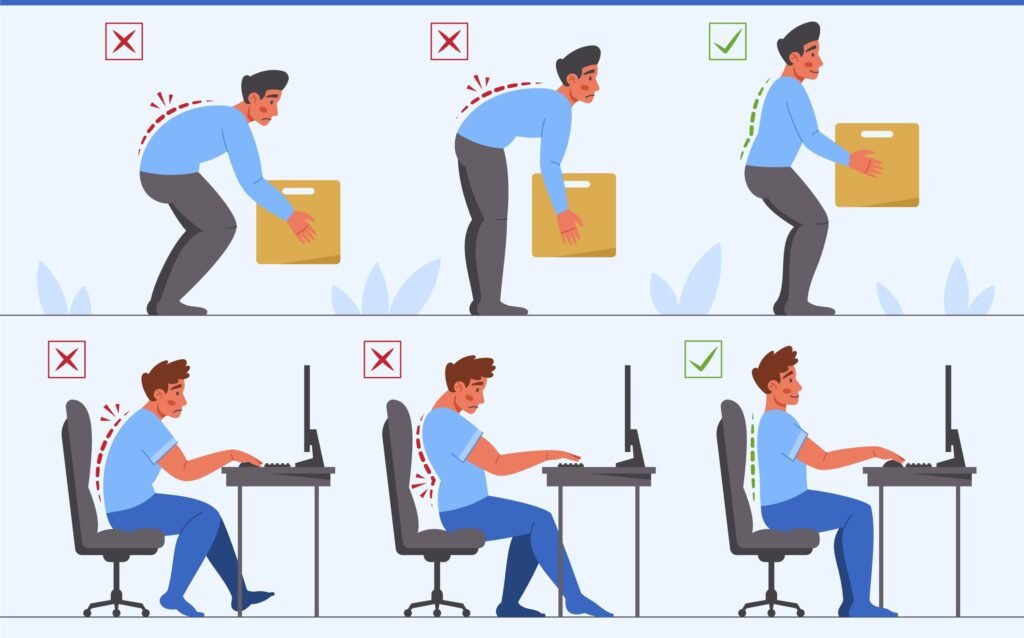
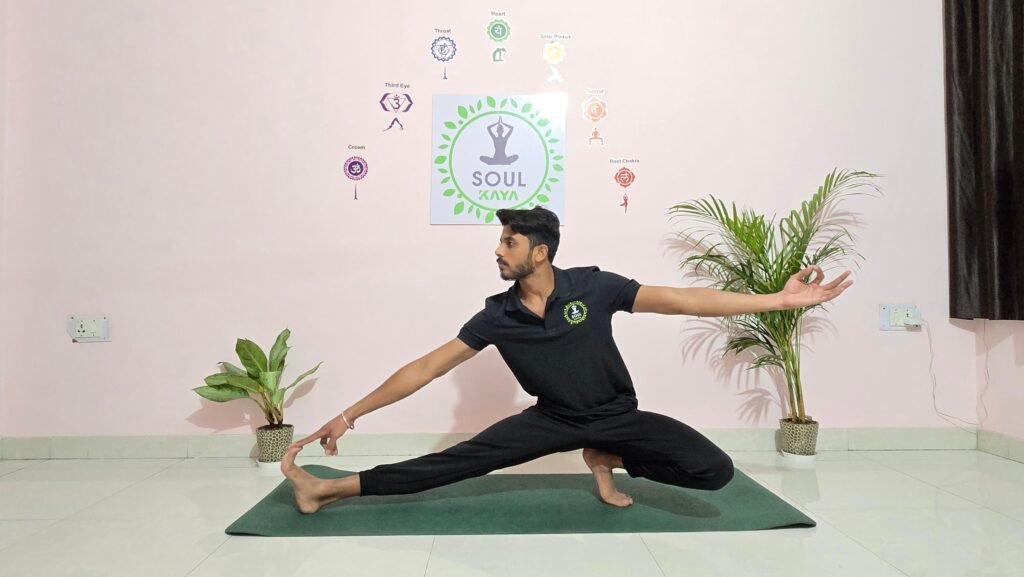
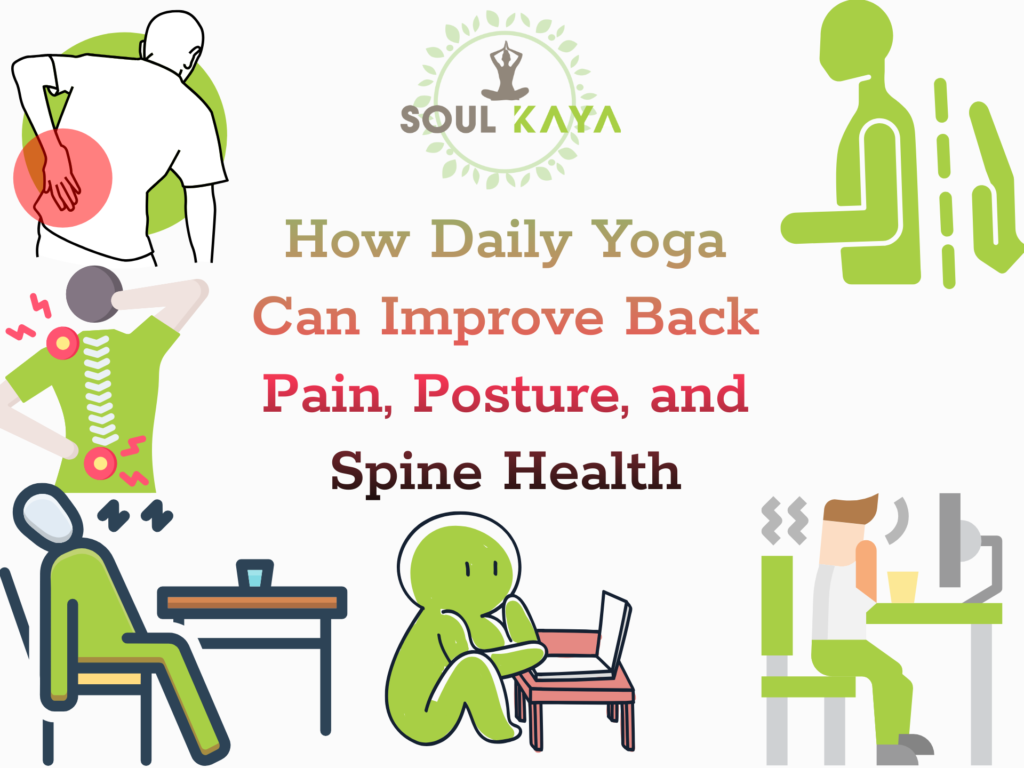
Illustration explaining how daily yoga supports back pain relief posture improvement and spine health
Blog, Yoga

Yoga for Working Professionals: How to Stay Healthy in a Desk-Based Lifestyle

Yoga for Working Professionals: How to Stay Healthy in a Desk-Based Lifestyle Modern work culture has transformed productivity and connectivity—but at a significant cost to health. Long sitting hours, continuous screen exposure, mental stress, irregular sleep, and reduced physical activity have led to a rise in musculoskeletal pain, stress-related disorders, and lifestyle diseases among working professionals. These challenges are no longer limited to a specific age group or profession; they affect employees across industries and career stages. This article explores yoga for working professionals as a scientifically supported, practical, and sustainable approach to maintaining posture, managing stress, and protecting spine health without disrupting a busy schedule. By examining physiological mechanisms, occupational health research, and therapeutic yoga principles, the blog explains how yoga can be integrated into a desk-based lifestyle to support long-term physical resilience, mental clarity, and professional well-being. https://youtu.be/iSZijaND800 Introduction: The Hidden Health Cost of Desk Jobs Working professionals today spend an average of 8–10 hours daily seated at desks—often in ergonomically suboptimal positions. Meetings, emails, project deadlines, and constant digital engagement leave little room for natural movement or recovery. Over time, this lifestyle leads to a predictable pattern of physical and mental strain. Common outcomes include: Chronic neck, shoulder, and lower back pain Rounded shoulders and forward head posture Reduced spinal mobility and joint stiffness Mental fatigue, irritability, and burnout Poor circulation and reduced energy levels These issues rarely appear overnight. They develop gradually as the body adapts to prolonged stillness, repetitive postures, and sustained cognitive load. Global health organizations identify physical inactivity as a major risk factor for mortality, strongly linked with cardiovascular disease, metabolic disorders, and musculoskeletal dysfunction. For working professionals, inactivity is not always a choice—it is often built into the structure of modern work. Yoga offers a preventive, corrective, and restorative approach that addresses these challenges at their root. Rather than treating isolated symptoms, it works on posture, movement quality, stress regulation, and daily habits together—making it especially suited for desk-based professionals. Why Working Professionals Need Yoga 1. Prolonged Sitting Alters Natural Posture The human body is designed for regular movement, not prolonged sitting. When sitting becomes the dominant posture for most of the day, several structural changes occur: Hip flexors shorten and tighten Gluteal muscles weaken and lose activation The thoracic spine becomes rounded The cervical spine shifts forward to compensate These adaptations increase mechanical stress on the neck and lower back while reducing postural efficiency. Yoga counteracts these effects through: Spinal extension, flexion, and rotation Hip-opening movements that restore length and balance Awareness-based posture correction Rather than forcing posture, yoga helps the body regain its natural alignment through balanced strength and mobility. 2. Mental Stress Directly Impacts Physical Health Modern work environments demand sustained attention, rapid decision-making, and constant availability. Deadlines, performance pressure, and digital overload keep the nervous system in a state of chronic activation. This prolonged stress response leads to: Elevated cortisol levels Disrupted sleep patterns Reduced focus and memory Increased muscle tension and pain sensitivity Yoga addresses this at a physiological level by activating the parasympathetic nervous system through controlled breathing, slow transitions, and mindful awareness. This shift supports recovery, emotional regulation, and cognitive clarity—critical factors for long-term professional performance. Key Benefits of Yoga for Working Professionals 1. Improved Posture and Alignment Posture is not a static position that can be “held” through willpower. It is the outcome of muscular balance, joint mobility, and nervous system regulation. Yoga strengthens key postural muscles, including: Upper back and scapular stabilizers Deep core and pelvic floor muscles Neck flexors and extensors At the same time, it releases chronically tight areas such as the chest, hip flexors, and upper trapezius muscles. Over time, this balance allows the body to maintain upright posture naturally—without constant conscious correction. 2. Enhanced Spine Health The spine relies on regular movement for nourishment and longevity. Prolonged immobility reduces circulation to spinal structures, contributing to stiffness and degeneration. Gentle, controlled spinal movements in yoga: Improve circulation to intervertebral discs Support disc hydration and elasticity Restore segmental spinal mobility For desk-based professionals, this is especially important in the cervical and thoracic regions, which are often restricted by screen-based work. Occupational health research consistently shows that yoga-based interventions reduce chronic low back pain and improve functional mobility in office workers. 3. Effective Stress Management Yoga integrates multiple tools for stress regulation: Pranayama (controlled breathing) Slow, mindful transitions between postures Relaxation and body awareness practices These elements work together to calm the nervous system, reduce mental clutter, and improve emotional stability. Studies from academic medical institutions confirm yoga’s role in reducing anxiety, improving mood, and supporting workplace productivity. For professionals, this translates into better focus, improved decision-making, and reduced burnout risk. Common Desk-Related Problems and How Yoga Helps Desk-Related Issue How Yoga Addresses It Forward head posture Neck alignment and extension practices Rounded shoulders Chest opening and scapular activation Lower back pain Core stability and spinal mobility Mental fatigue Breath awareness and relaxation Poor circulation Gentle inversions and joint movements Yoga works holistically, addressing multiple issues simultaneously rather than in isolation. Essential Yoga Components for Working Professionals 1. Asana (Postures) For working professionals, yoga practice should prioritize functional and therapeutic movements rather than complex or physically demanding poses. Key focus areas include: Seated and standing spinal mobility Gentle backbends to counter forward flexion Hip and shoulder mobility Balance and grounding postures Short, well-sequenced sessions practiced regularly are far more effective than occasional intense workouts. 2. Pranayama (Breathing Techniques) Breathwork is a powerful yet underutilized tool for professionals. Stress often leads to shallow, rapid breathing, which reinforces nervous system imbalance. Effective practices include: Slow nasal breathing Extended exhalation techniques Simple breath awareness exercises Many breathing practices can be performed at the desk, between meetings, or before sleep—making them highly accessible. 3. Mindfulness and Relaxation Mental overload is one of the primary challenges faced by professionals. Short mindfulness and relaxation practices help: Reduce cognitive fatigue Improve emotional regulation Enhance clarity and focus Even 5–10 minutes of daily relaxation has been shown to produce

Guided online yoga class practiced at home to support long term physical and mental health
Yoga, Blog

Online Yoga Classes: How Guided Home Practice Supports Long-Term Health

Online Yoga Classes: How Guided Home Practice Supports Long-Term Health The digital transformation of healthcare and wellness has reshaped how people engage with yoga and lifestyle-based health practices. Online yoga classes are no longer a temporary substitute for studio-based learning; they have evolved into a structured, guided, and evidence-informed approach to sustaining long-term physical and mental health. When delivered responsibly, online yoga supports musculoskeletal health, nervous system regulation, lifestyle balance, and habit formation. This article explores how guided online yoga practice works from scientific, behavioral, and yogic perspectives, explaining why online yoga—when practiced correctly—is not inferior to in-person learning, but a powerful and sustainable model for modern living. https://youtu.be/iSZijaND800 Introduction: Yoga in the Age of Home-Based Living Modern life has fundamentally altered how people move, work, and recover. Long hours of sitting, extended screen exposure, irregular sleep cycles, reduced outdoor activity, and constant cognitive stimulation define the daily experience of many individuals. Over time, these patterns contribute to postural dysfunctions, joint stiffness, metabolic imbalance, poor sleep quality, anxiety, and stress-related disorders. Yoga has long been recognized as a holistic system that addresses both physical and mental well-being. However, traditional access to consistent, high-quality yoga instruction has often been limited by factors such as time constraints, commuting challenges, social discomfort, or irregular schedules. For many people, the intention to practice yoga regularly exists, but the structure to sustain it does not. Online yoga classes bridge this gap by delivering guided instruction directly into the practitioner’s home environment. When designed responsibly, they support continuity, adaptability, and safety—three pillars essential for long-term health outcomes. Rather than being a compromise, online yoga represents a structural evolution that aligns ancient practice with modern lifestyles. Understanding Guided Yoga Practice Online Guided online yoga practice refers to live or structured sessions led by a qualified yoga teacher or therapist, where verbal instruction, sequencing logic, and therapeutic intent are prioritized over physical performance or visual imitation. Unlike unguided video consumption, guided practice emphasizes: Alignment awareness through clear verbal cues Breath–movement coordination rather than speed Progressive loading of joints and muscles Regulation of the nervous system through pacing and rest This method closely mirrors traditional yogic pedagogy, where listening (śravaṇa) and mindful execution are central to learning. Historically, yoga was transmitted verbally, with practitioners developing internal awareness rather than external comparison. Online guided practice, when structured correctly, preserves this essence. Online Yoga for Beginners: Building Safety and Confidence One of the most persistent misconceptions is that beginners require physical presence to learn yoga safely. In reality, beginners often benefit significantly from online settings when instruction is clear and structured. Why Online Yoga Works for Beginners Reduced performance anxietyPracticing at home minimizes the pressure to match others’ abilities, allowing beginners to move within their own capacity. Controlled paceOnline sessions often include detailed explanations, slower transitions, and frequent pauses, which support learning and safety. Improved internal focusMotor learning research shows that beginners develop proprioception more effectively when attention is directed inward rather than toward external competition. Consistency without barriersBeginners can attend sessions regularly without logistical obstacles, reinforcing learning through repetition. For many individuals, the home environment creates psychological safety, which is essential for relaxation, learning, and long-term adherence. Yoga at Home Safely: Scientific and Therapeutic Considerations Safety in yoga is less about physical proximity and more about instructional clarity, progression logic, and self-awareness. Well-designed online yoga programs apply the same principles used in therapeutic exercise and rehabilitation. Key Safety Principles in Online Yoga Load managementGradual progression in intensity allows muscles, joints, and connective tissues to adapt safely. Spinal neutrality and alignment cuesClear verbal instruction reduces excessive strain on the cervical and lumbar spine. Breath regulationEncouraging nasal breathing and relaxed exhalation helps prevent overexertion and fatigue. Contraindication awarenessResponsible instructors offer modifications and encourage participants to respect pain signals rather than push through discomfort. Research in exercise therapy consistently shows that guided home-based programs can be as effective as supervised clinical sessions when adherence and instruction quality are high. In yoga, clarity of guidance often matters more than physical correction. Long-Term Musculoskeletal Health Through Consistency Musculoskeletal issues such as chronic back pain, joint stiffness, and postural imbalance rarely arise from a single incident. They develop gradually through repetitive stress, prolonged inactivity, and poor movement habits. Online yoga supports long-term musculoskeletal health by enabling frequency, which is more important than intensity. How Consistent Practice Supports the Body Regular movement maintains joint lubrication and cartilage health Balanced strengthening reduces postural asymmetrie Gentle spinal mobility preserves range of motion Deep stabilizing muscles support joint integrity Consistency transforms yoga from an occasional activity into a preventive health strategy. When practice becomes part of daily or weekly routine, the body adapts progressively without overload.   Nervous System Regulation and Mental Health One of the most underappreciated benefits of online yoga is its impact on the autonomic nervous system. Chronic stress keeps the body in a state of heightened alertness, impairing recovery, sleep, digestion, and emotional regulation. Guided online yoga practices often integrate: Slow, rhythmic breathing Longer exhalation phases Mindful transitions between postures Restorative pauses These elements promote parasympathetic nervous system activity, supporting relaxation and stress resilience. Practicing in a familiar home environment further enhances this response by reducing external stimulation. For individuals experiencing anxiety, burnout, or sleep disturbances, online yoga can feel more accessible and calming than public settings, improving consistency and emotional safety. Behavioral Psychology: Why Home Practice Is Sustainable Long-term health is not driven by motivation alone, but by habit formation. Many people begin wellness routines enthusiastically but struggle to sustain them due to logistical or psychological friction. Online yoga reduces several barriers simultaneously: No commuting time Flexible scheduling options Familiar and comfortable environment Lower social pressure Behavioral psychology research shows that reducing “activation energy”—the effort required to start a behavior—significantly increases adherence. When yoga becomes logistically simple, it becomes psychologically sustainable. Over time, consistency shifts identity: yoga is no longer something one tries to fit in, but something that naturally belongs to daily life. Online Yoga vs In-Person Classes: A Balanced Perspective The discussion

https://soulkaya.com/what-is-lifestyle-yoga-therapy-a-scientific-holistic-approach-to-modern-health/
Yoga, Blog

What Is Lifestyle Yoga Therapy? A Scientific & Holistic Approach to Modern Health

What Is Lifestyle Yoga Therapy? A Scientific & Holistic Approach to Modern Health Modern health challenges are no longer driven primarily by infectious diseases, but by lifestyle-related disorders such as chronic back pain, metabolic dysfunction, stress-related illnesses, sleep disturbances, and psychosomatic conditions. These conditions develop gradually through prolonged exposure to sedentary behavior, poor posture, chronic stress, disrupted sleep cycles, and unhealthy daily routines. Lifestyle Yoga Therapy is an integrative, evidence-informed approach that combines classical yogic principles with modern health science to address these issues at their root. Unlike general yoga practice, Lifestyle Yoga Therapy focuses on correcting daily movement patterns, breathing habits, stress responses, sleep rhythms, and behavioral choices that influence long-term health outcomes. This article explores the scientific foundations, therapeutic framework, and holistic relevance of Lifestyle Yoga Therapy, explaining how yoga for modern lifestyle problems can be applied systematically for sustainable health, resilience, and functional well-being. https://youtu.be/mtbCp2-9g-g Introduction – The Crisis of the Modern Lifestyle The modern lifestyle is characterized by convenience, speed, and constant stimulation—but often at the cost of physical and mental health. Sedentary behavior, prolonged screen exposure, irregular sleep cycles, processed diets, and chronic psychological stress have become normalized across age groups. Research consistently links these lifestyle patterns to non-communicable diseases (NCDs) such as: Obesity and metabolic syndrome Type 2 diabetes and insulin resistance Chronic neck, back, and joint pain Cardiovascular dysfunction Anxiety, depression, and burnout Sleep disorders and fatigue According to the World Health Organization, lifestyle-related non-communicable diseases account for nearly 74% of global deaths. This statistic highlights a crucial reality: most modern health problems are not sudden or random events. They are adaptive consequences of long-term lifestyle imbalance. Lifestyle Yoga Therapy emerges precisely at this intersection—where behavior, physiology, psychology, and environment interact continuously. Rather than targeting symptoms in isolation, it addresses how people live, how they move, how they breathe, and how they respond to stress. What Is Lifestyle Yoga Therapy? Lifestyle Yoga Therapy is a structured, therapeutic application of yoga designed to address lifestyle-induced dysfunctions through personalized, sustainable interventions. Its core objectives are to: Identify lifestyle-based stressors and maladaptive habits Correct dysfunctional movement and breathing patterns Regulate the nervous and endocrine systems Restore physiological balance through daily, realistic practices Importantly, Lifestyle Yoga Therapy is not synonymous with exercise-based yoga. It is not about achieving advanced postures or physical performance. Instead, it is a process-oriented system that integrates multiple dimensions of health. Core Components of Lifestyle Yoga Therapy Lifestyle Yoga Therapy integrates classical yogic tools with modern health understanding: 1. Therapeutic Movement (Āsana) Movements are selected and adapted to: Restore joint mobility Improve postural alignment Strengthen stabilizing muscles Reduce mechanical stress on the spine and joints The emphasis is on functional movement, not flexibility alone. 2. Breath Regulation (Prāṇāyāma) Breathing patterns directly influence: Stress hormones Heart rate variability Oxygen utilization Nervous system balance Therapeutic breathing practices are tailored to calm overactivation rather than stimulate performance. 3. Neuro-Psychological Regulation (Dhyāna & Mindfulness) Mindfulness practices help: Reduce cognitive overload Improve emotional regulation Break stress–pain cycles Enhance self-awareness This supports both mental health and physical recovery. 4. Lifestyle Correction (Dinacharya & Habits) Daily routines play a decisive role in health outcomes. Lifestyle Yoga Therapy addresses: Sleep–wake timing Sitting and working posture Screen exposure habits Stress responses Eating patterns (without extreme dietary rules) Together, these elements create systemic regulation, not isolated improvements. How Lifestyle Yoga Therapy Differs from General Yoga Practice Lifestyle Yoga Therapy does not aim to push the body.It aims to re-educate the system. General Yoga Practice Lifestyle Yoga Therapy Fitness or flexibility focused Health-condition focused Same practice for all Assessment-based protocols Short-term benefits Long-term lifestyle adaptation Often performance-driven Function and regulation-based Scientific Foundations of Lifestyle Yoga Therapy 1. Neurophysiological Regulation Chronic stress leads to prolonged activation of the sympathetic nervous system (SNS). This state is associated with: Elevated cortisol Impaired digestion Sleep disruption Anxiety and fatigue Lifestyle Yoga Therapy emphasizes: Slow breathing (≤6 breaths per minute) Prolonged exhalation Gentle, mindful movement These techniques activate the parasympathetic nervous system (PNS), improving heart rate variability and stress resilience. Research from the National Center for Complementary and Integrative Health shows that yoga-based breathing and mindfulness practices significantly reduce stress biomarkers and improve autonomic balance. 2. Musculoskeletal & Postural Science Modern lifestyle habits—prolonged sitting, forward-head posture, limited spinal movement—contribute to: Chronic neck and lower back pain Joint degeneration Reduced proprioception Muscle imbalance Lifestyle Yoga Therapy applies principles from functional movement science: Spinal segmentation Joint-specific mobility Load-appropriate strengthening This restores neuromuscular coordination rather than merely stretching tight muscles. 3. Respiratory Efficiency Stress and poor posture often lead to shallow, thoracic breathing. This reduces oxygen efficiency and increases fatigue. Therapeutic pranayama: Improves tidal volume Enhances CO₂ tolerance Supports cellular metabolism Studies indexed in PubMed show improved pulmonary function and reduced anxiety through regulated yogic breathing. 4. Endocrine & Metabolic Balance Irregular routines disrupt circadian rhythms, affecting: Insulin sensitivity Thyroid regulation Appetite hormones Energy metabolism Lifestyle Yoga Therapy supports: Stable daily rhythms Nervous-system-mediated hormonal balance Metabolic regulation without extreme interventions This aligns with principles of lifestyle medicine. Holistic Wellness Through Yoga – Beyond Symptom Management Lifestyle Yoga Therapy works on five interconnected layers of human functioning, aligned with the pañca-kośa framework: Annamaya (Physical): posture, movement, pain Prāṇamaya (Energy): breath, fatigue, vitality Manomaya (Mental): stress, anxiety, habits Vijñānamaya (Cognitive): awareness, clarity, decision-making Ānandamaya (Behavioral Integration): consistency, well-being This layered understanding explains why yoga for modern lifestyle issues is most effective when practiced therapeutically rather than casually. Conditions Where Lifestyle Yoga Therapy Is Commonly Applied Lifestyle Yoga Therapy is often used as a supportive approach for: Chronic back, neck, and joint pain Stress-related disorders Digestive dysfunction Sleep disturbances Metabolic imbalance Psychosomatic symptoms Workplace-related musculoskeletal issues It is important to emphasize that Lifestyle Yoga Therapy does not replace medical treatment. It complements conventional healthcare by addressing behavioral and functional contributors to disease. Assessment-Based Therapeutic Approach A defining feature of Lifestyle Yoga Therapy is assessment before intervention. This may include: Postural and movement analysis Breathing pattern observation Stress and sleep history Daily routine evaluation Based

Comparison of incorrect and correct posture while sitting and lifting to prevent back pain
Blog, Yoga

How Daily Yoga Can Improve Back Pain, Posture, and Spine Health

How Daily Yoga Can Improve Back Pain, Posture, and Spine Health Back pain, poor posture, and spinal discomfort have become increasingly common in modern life due to prolonged sitting, excessive screen time, chronic stress, and lack of mindful movement. While medications may offer temporary relief, they often fail to address the root causes. Daily yoga practice provides a natural and sustainable solution by improving spinal alignment, strengthening postural muscles, enhancing flexibility, and calming the nervous system. This article explores how regular yoga can reduce back pain, correct posture, and support long-term spine health for people of all ages. https://youtu.be/CqwQqP13H5A Introduction: Why Back Pain and Posture Problems Are Increasing Modern lifestyles demand long hours of sitting—at desks, in vehicles, and in front of digital screens. Over time, these habits place unnatural and continuous stress on the spine. Unlike our ancestors, who moved frequently throughout the day, modern humans often remain in the same position for hours. This leads to a cascade of physical changes, including: Tight hip flexors and hamstrings Weak core and spinal stabilizing muscles Rounded shoulders and forward head posture Reduced spinal mobility and joint stiffness Chronic lower back, neck, and shoulder pain Poor posture is not merely a cosmetic issue. It interferes with breathing efficiency, compresses spinal discs, disrupts nerve communication, and increases strain on muscles and joints. Over time, this can lead to recurring pain, fatigue, headaches, and reduced quality of life. Yoga works holistically—on muscles, joints, breath, posture awareness, and the nervous system—making it one of the most effective long-term practices for spinal well-being. Image Credit: freepik.com Understanding the Spine – The Foundation of Movement The spine is a living, dynamic structure designed for movement in multiple directions: Flexion (forward bending) Extension (backward bending) Rotation (twisting) Lateral bending (side bending) When these movements are restricted or imbalanced due to lifestyle habits: Some muscles become chronically tight and overactive Other muscles weaken and lose functional strength Spinal joints lose mobility The nervous system remains under constant low-grade stress Yoga restores functional spinal movement by encouraging controlled, mindful motion in all planes. This improves neuromuscular coordination and creates balance between strength and flexibility—both essential for spine health. image credit: freepik.com How Daily Yoga Helps Relieve Back Pain 1. Releases Muscle Tension Naturally Daily yoga gently stretches tight muscles around the spine, hips, and shoulders. Unlike aggressive stretching, yoga emphasizes slow, controlled movement combined with breath awareness. This approach: Reduces muscle guarding Improves blood circulation Enhances oxygen delivery to tissues Supports natural recovery of muscles and connective tissues As tension decreases, pressure on the spine reduces, leading to gradual pain relief. 2. Strengthens Core and Spinal Support Muscles Many back pain issues stem from weak stabilizing muscles rather than injury alone. When the core is weak, the spine compensates by overloading certain segments. Yoga strengthens: Deep abdominal muscles Pelvic stabilizers Spinal extensors Postural muscles of the back and shoulders This balanced strengthening reduces excess strain on the lower back and supports the spine during daily activities like sitting, standing, and lifting. 3. Improves Spinal Mobility and Joint Health The spine relies on regular movement for nourishment. Spinal discs receive hydration and nutrients through movement, not stillness. Daily yoga: Maintains joint lubrication Prevents stiffness Supports disc health Preserves range of motion This is especially important for individuals with sedentary routines, as prolonged immobility accelerates stiffness and degeneration. 4. Reduces Stress-Related Pain Mental stress often manifests physically as muscle tension—particularly in the neck, shoulders, and lower back. Yoga integrates: Conscious breathing Mindfulness Nervous system regulation This calms the stress response, lowers muscular tension, and reduces psychosomatic pain patterns that medications alone cannot resolve. image credit: freepik.com image credit: freepik.com Image credit: soulkaya.com Image credit: soulkaya.com Image credit: soulkaya.com Image credit: soulkaya.com Posture Correction Through Yoga Posture is not something to be forcefully held. It is the natural outcome of muscular balance, joint alignment, and body awareness. Common Postural Imbalances Rounded shoulders Forward head posture Excessive lower-back arch Collapsed sitting posture These imbalances often develop gradually and remain unnoticed until pain arises. How Yoga Corrects Posture Naturally Yoga improves posture through: Body awareness: Recognizing daily movement and sitting habits Muscle balance: Lengthening tight muscles and strengthening weak ones Breathing patterns: Supporting upright posture without tension Mindful movement: Carrying awareness beyond the yoga mat With consistent practice, posture correction becomes effortless rather than forced. Why Daily Practice Matters More Than Intensity Many people believe intense workouts are necessary for results, but spine health responds better to consistency than intensity. Yoga emphasizes: Regular, gentle strengthening Controlled spinal flexibility Nervous system balance Long-term sustainability Short daily sessions create cumulative benefits that protect the spine more effectively than occasional high-intensity workouts that may increase injury risk. Long-Term Spine Health Benefits of Yoga 1. Improved Spinal Alignment Yoga encourages symmetrical movement patterns, reducing uneven stress distribution across the spine. 2. Disc Health and Longevity Gentle spinal motion supports disc hydration and elasticity, contributing to long-term spinal resilience. 3. Better Balance and Coordination A healthy spine improves balance, coordination, and confidence in movement—especially important as we age. 4. Prevention of Chronic Issues Consistent yoga practice helps prevent recurring pain, stiffness, and degenerative changes associated with inactivity and poor posture. Who Can Benefit from Yoga for Back Pain and Posture? Yoga for spine health is adaptable and suitable for: Office and desk-based professionals Students with prolonged sitting habits Homemakers exposed to repetitive physical strain Older adults seeking safe spinal care Anyone experiencing stress-related back discomfort With proper guidance, yoga can be practiced safely across age groups and fitness levels. The SoulKaya Approach to Spine Care At SoulKaya, yoga sessions follow a mindful and structured approach that prioritizes: Safe spinal mobility Posture awareness Breath-led movement Gradual and sustainable progress Rather than focusing on quick fixes, the emphasis is on building long-term spinal health and body awareness that supports daily life. Frequently Asked Questions Can daily yoga really help reduce back pain? Yes. Daily yoga can help reduce back pain by improving spinal mobility, strengthening core and postural muscles, and

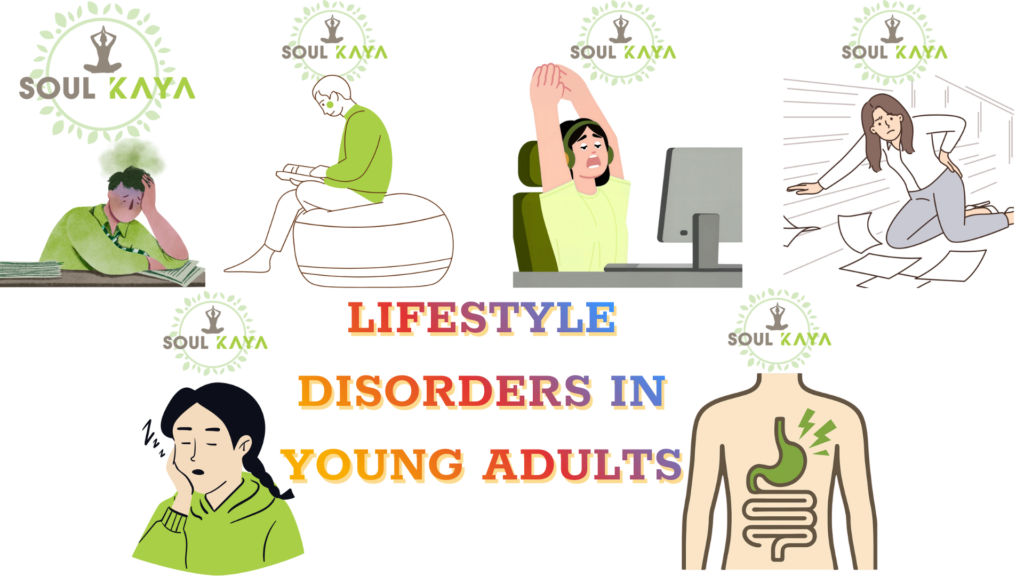
incresing-lifestyle-disorders-in-young-adults
Blog, Yoga

Why Lifestyle Disorders Are Increasing in Young Adults (And How Yoga Helps Naturally)

Why Lifestyle Disorders Are Increasing in Young Adults & How Yoga Helps Naturally Lifestyle disorders such as obesity, type 2 diabetes, hypertension, hormonal imbalance, digestive issues, and stress-related mental health concerns are rising rapidly among young adults. Sedentary routines, poor dietary habits, chronic stress, irregular sleep, and modern environmental factors are major contributors. Yoga addresses many of these root causes through structured movement, breath regulation, stress management, and lifestyle awareness, making it a practical and preventive approach for long-term health. https://youtu.be/U2fFuSB0Tsg Introduction: A Growing Health Concern Among Young Adults Lifestyle disorders were once associated mainly with middle age or later years. Today, young adults in their 20s and 30s are increasingly experiencing persistent fatigue, stress, disturbed sleep, digestive discomfort, postural pain, weight fluctuations, and emotional imbalance. These problems rarely appear suddenly. In most cases, they develop quietly over years of lifestyle imbalance. Long working hours, academic pressure, excessive screen time, irregular meals, reduced physical activity, and poor sleep gradually strain the body and mind. What often begins as “normal tiredness” slowly turns into deeper health challenges. Through experience working with students, professionals, and families, it becomes clear that many lifestyle-related issues are early warning signs rather than irreversible conditions. Addressing them early through consistent lifestyle correction can make a significant difference. Image Credit: https://www.freepik.com/ Image by: @aviyabc The Rising Trend: What We Are Seeing Today Across the world, health observations and population trends show that lifestyle-related problems are appearing earlier than before. Young adults are increasingly dealing with issues once considered age-related, including metabolic imbalance, stress disorders, and chronic fatigue. This trend is not limited to one country, profession, or social group. It reflects broader changes in how people live, work, eat, rest, and manage stress. Modern conveniences have reduced physical effort, while mental load and performance pressure have increased significantly. Importantly, most of these conditions are closely linked to daily habits rather than sudden illness. This means they are strongly influenced by lifestyle choices and routines. Image Credit: https://www.freepik.com/ Image By: @yogiermansyah22 Why Lifestyle Disorders Are Increasing Lifestyle disorders develop gradually through repeated daily habits. Several factors often work together rather than acting alone. 1. Sedentary Lifestyle and Reduced Movement Modern work and study environments involve long hours of sitting. Even people who exercise occasionally may remain inactive for most of the day. Prolonged sitting affects posture, circulation, joint health, and metabolic function. The human body is designed for regular movement, not extended stillness. 2. Unhealthy and Irregular Eating Habits Busy schedules often lead to skipped meals, late-night eating, and reliance on packaged or processed foods. Over time, these habits disturb digestion, energy levels, and metabolic balance, especially when formed early in life. 3. Chronic Stress and Poor Sleep Young adults face constant pressure related to education, careers, finances, and social expectations. Chronic stress and irregular sleep patterns disrupt the body’s natural regulation systems, contributing to fatigue, emotional imbalance, cravings, and reduced resilience. 4. Environmental and Early Lifestyle Influences Urban living, limited green spaces, reduced physical play, early screen exposure, and lack of lifestyle education shape habits from a young age. These influences accumulate over time and affect long-term health. 5. Managing Symptoms Without Lifestyle Change Many people attempt to manage symptoms without addressing underlying habits. While medical support is important when needed, sustainable health requires correcting daily routines related to movement, stress, sleep, and nourishment. Image Credit: https://www.freepik.com/ How Yoga Supports Lifestyle Health Naturally? Yoga is more than physical exercise. It is a structured lifestyle practice that integrates movement, breath regulation, and awareness. Together, these elements support the body and mind in multiple ways. 1. Supports Physical Balance and Mobility Yoga improves posture, flexibility, coordination, and body awareness. Regular practice supports joint health, circulation, and functional movement, which are essential for long-term physical balance. 2. Reduces Stress and Emotional Overload Breathing practices and mindful movement help calm the nervous system. Reduced stress supports better digestion, improved sleep, and healthier daily choices. 3. Encourages Sustainable Habits Yoga cultivates awareness of physical and mental states. This awareness helps individuals recognize early signs of imbalance, improve posture and movement patterns, and develop consistency rather than extreme routines. 4. Accessible and Beginner-Friendly Yoga can be adapted to different fitness levels and physical conditions. Its low-impact nature makes it suitable for beginners and those returning to movement after long inactivity. 5. Supports Sleep and Recovery Relaxation and breath-based practices help improve sleep quality and support the body’s natural recovery processes, which are essential for overall well-being. online lifestyle yoga classes Yoga as a Preventive Lifestyle Practice Yoga works best as a preventive and supportive approach. It does not replace medical care, but it complements healthy living by strengthening daily habits that support long-term balance. Consistent practice helps the body adapt positively to stress, improves resilience, and supports overall lifestyle regulation. The key is regularity rather than intensity. What an Effective Yoga Program Looks Like Not all yoga programs support lifestyle change equally. Effective programs share certain characteristics: Short, regular sessions rather than occasional long workouts Structured practice focusing on posture and breath Stress-regulating techniques alongside movement Lifestyle awareness beyond the mat Support and accountability for consistency structured online yoga program Why Online Yoga Works for Young Adults? Online yoga fits well into modern lifestyles. It removes travel barriers, saves time, and allows practice from the comfort of home. This accessibility makes it easier to stay consistent, especially for students and working professionals with busy schedules. When guided properly, online yoga can be just as effective as in-person sessions for supporting lifestyle balance. Online yoga makes regular practice easier for busy modern lifestyles. How SoulKaya Supports Lifestyle Yoga Therapy? At SoulKaya, yoga is offered as lifestyle therapy rather than isolated exercise. The focus is on structured and organised practice, correct posture, breath regulation, and supportive nutrition principles rooted in Ayurvedic understanding. The goal is not quick results but sustainable habit-building. Through guided sessions and optional health development tracking, students are supported in building consistency and awareness. Over time, this approach helps individuals reconnect

Blog

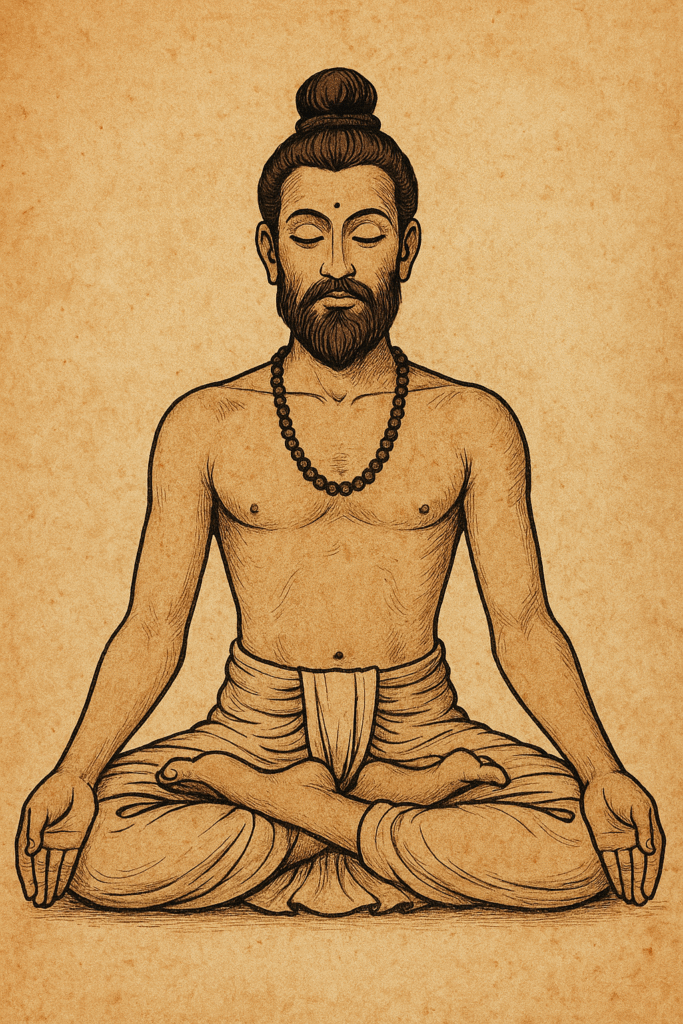
Why Ancient Yogis Sat Instead of Stretching

Yoga Isn’t What You Think When you walk into most modern yoga studios, you see movement:Flowing sequences, stretching, strengthening, balancing, sweating. But if you travelled back 2,000 years and met an ancient yogi, you’d witness something completely different. You’d see a person sitting still — quietly, steadily, for hours. Why? Because classical yoga was never built on movement.It was built on stillness. This blog uncovers why seated postures dominated traditional yoga, what “āsana” originally meant, and how modern neuroscience now validates the wisdom of ancient yogis. 1. What “Āsana” Actually Meant in Ancient Yoga Today, āsana means “posture.” But in classical yoga, it meant only one posture:a stable, comfortable seat for meditation. Patañjali, the earliest systematizer of yoga, gave only one definition: “Sthira sukham āsanam.” — Yoga Sūtra 2.46A posture that is steady and comfortable. This definition doesn’t describe poses, stretches, or flexibility.It describes a state of being — not movement. To Patañjali, the entire purpose of the body was to support the mind.A distracted or uncomfortable body disrupts meditation, so the yogi trains the body to sit without pain, without effort, without tension. In short: Modern yoga: āsana = movementClassical yoga: āsana = stillness 2. Why Early Yogis Prioritized Stillness Over Flexibility Ancient yogis weren’t athletes or performers.They were mind-scientists, experimenting with consciousness. Their goal wasn’t to stretch the hamstrings.Their goal was to understand the mind. Stillness helped them: ✓ Reduce sensory distractions A quiet body prevents unnecessary signals from overwhelming the nervous system. ✓ Maintain energy (prāṇa) within Movement disperses energy; stillness consolidates it for meditation. ✓ Deepen breath awareness Calm breathing becomes easier when the body stops moving. ✓ Enter higher mental states Sustained stillness trains attention — the foundation of meditation. For ancient yogis, if you couldn’t sit still, you couldn’t meditate.If you couldn’t meditate, you couldn’t practice yoga. That’s why the body was trained not for flexibility, but for stability and endurance. 3. What Classical Texts Actually Say About Meditation Posture Let’s break down the sources: Yoga Sūtra — The Body Serves the Mind Beyond the simple definition of āsana, the sutras emphasize: Relaxation of effort Absorption of the mind in the infinite A sense of natural ease To Patañjali, the seat must be so effortless that the mind can turn inward without distraction. 📖 Read: https://archive.org/details/yogasutrasofpata00pata  Bhagavad Gītā — A Manual for Meditation Posture Chapter 6 describes the exact meditation posture: Spine upright and steady Body aligned and balanced Gaze down or toward the nose Mind anchored Breath natural Krishna emphasizes that posture creates the foundation for mental discipline. 📖 Read: https://www.holy-bhagavad-gita.org/chapter/6  Haṭha Yoga Pradīpikā — Master One Seat, Master Meditation Contrary to modern belief, Haṭha Yoga is not just about poses.The Pradīpikā states that mastering just one seated pose—like Siddhāsana or Padmāsana—is enough to progress spiritually. A stable seat is considered the king of all āsanas. 📖 Read: https://archive.org/details/HathaYogaPradipika_201601  Śāṇḍilya Upaniṣad — Stillness Leads to Inner Silence This text explains the inner mechanics: Still body → calm prāṇa Calm prāṇa → steady mind Steady mind → meditation becomes natural Stillness is not physical laziness — it is energetic alignment. 📖 Read:https://www.wisdomlib.org/hinduism/book/the-upanishads-vol-2/d/doc122559.html 4. How Modern Neuroscience Confirms Ancient Yogic Wisdom Ancient yogis didn’t have MRI machines, but they understood something profound:When the body becomes still, the mind becomes powerful. Today, science agrees.  NCCIH Research: Yoga’s greatest benefits are psychological, not physical —reduced anxiety, better emotional regulation, improved attention. 🔗 https://www.nccih.nih.gov/health/yoga  Harvard Medical School: Slow breathing + stillness: Lowers stress hormones Improves mood Supports heart and brain health 🔗 https://www.health.harvard.edu/mind-and-mood/yoga-for-better-mood  Frontiers in Psychology: Stillness-based mindfulness practices enhance: Cognitive control Emotional balance Focus and decision-making 🔗 https://www.frontiersin.org/articles/10.3389/fpsyg.2019.00314/full  Journal of Clinical Neurophysiology: Breathwork changes brainwaves and regulates neural networks involved in: Attention Stress Emotion 🔗 https://journals.lww.com/clinicalneurophys/Fulltext/2017/01000/Breathing_and_the_Brain.2.aspx 5. The Core Truth: Yoga Was Never About Flexibility The more you explore classical texts, the more obvious it becomes: Yoga is a mental discipline supported by the body — not a physical discipline supported by the mind. When the body is steady, the mind can dive inward.When the mind dives inward, yoga happens. This is why ancient yogis sat still.This is why meditation was the heart of practice.This is why āsana originally meant a seat, nothing more. 6. Why This Matters Today Modern yoga has many benefits, but it often loses its original purpose.By understanding the roots of āsana, you help students reconnect with the deeper meaning of yoga: Yoga is not performance. Yoga is not aesthetics. Yoga is not flexibility. Yoga is the art of mastering the mind. And the first step to mastering the mind is learning to sit — steady, relaxed, aware. Thank you for reading and exploring the deeper truth of yoga with me.If this blog inspired you, imagine what a consistent guided practice can do for your mind and body. At Soul Kaya, I offer personalized online yoga sessions that focus on real yoga—breath, awareness, strength, and mental clarity. 🌿 Join Soul Kaya Yoga Classes🌿 Begin your journey toward balance and transformation I look forward to welcoming you to the Soul Kaya family.

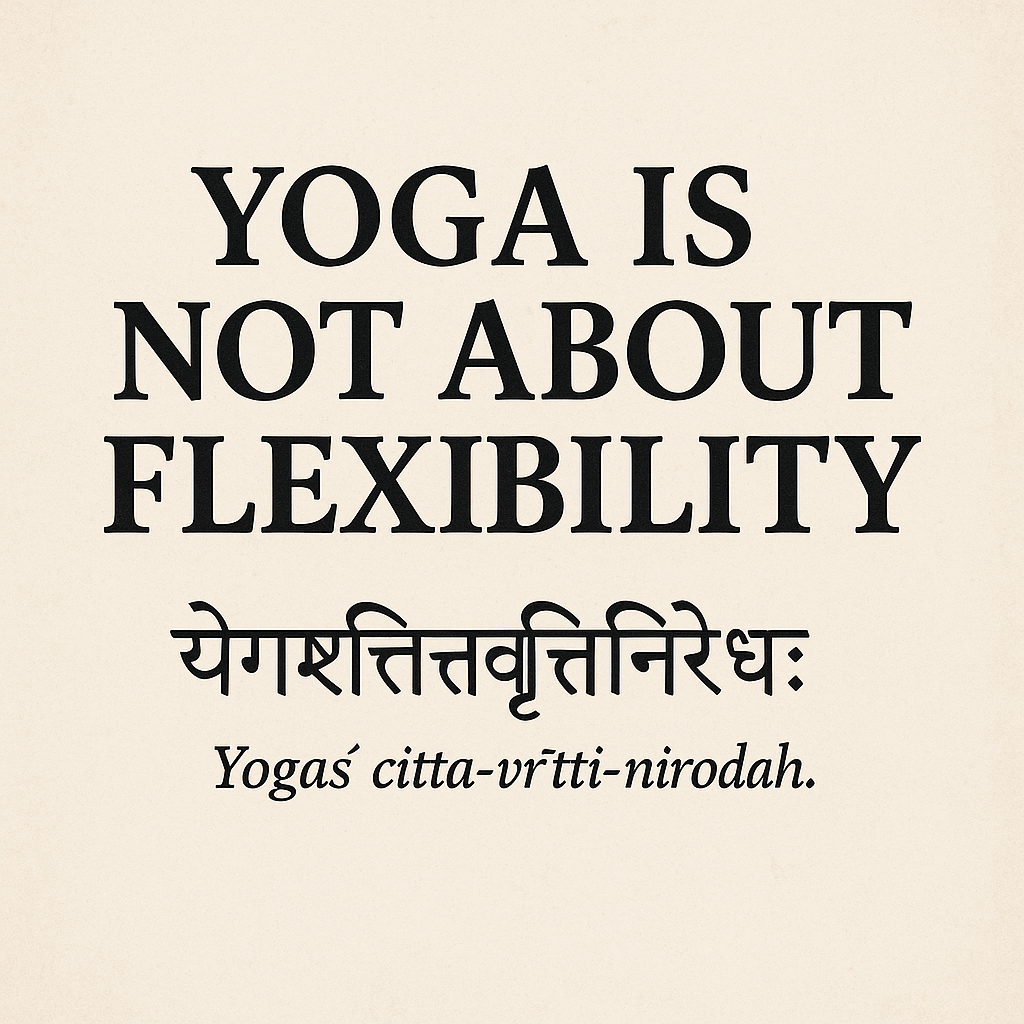
this picture shows yoga is not about flexibility
Blog

The Forgotten Meaning of Yoga: Beyond Asanas and Flexibility

Yoga Is NOT About Flexibility Yoga Isn’t What You Think When most people hear the word yoga, they imagine extreme flexibility, acrobatic postures, and Insta-perfect shapes.But this is a modern misunderstanding. Historically — in the Vedas, Upanishads, Bhagavad Gītā, Yoga Sūtra, Haṭha Yoga texts — yoga was never about touching your toes.It was a psychological discipline, a method of mental purification, and a science of consciousness. Flexibility of the hamstrings is optional.Flexibility of the mind is essential. 1. Flexibility Is Not the Goal of Yoga Classical texts are very clear: Yoga is a mental discipline Most ancient texts mention only a few basic postures — mainly for sitting steadily during meditation. Haṭha Yoga Pradīpikā — Chapter 1 Even though this is considered a physical-practice text, it lists very few āsanas and immediately shifts the focus to prāṇāyāma and dhyāna. “Haṭhasya prathamāṅgaṁ tu āsanaṁ pūrvam ucyate.”Haṭha Yoga begins with āsana — but only as a preparation (for higher limbs).— HYP 1.17 In the same chapter, Svātmārāma states the goal: “Āsanaṁ sthairyamarogyaṁ cāṅga-lāghavaṁ.”Āsana is for stability, health, and lightness of limbs — not flexibility.— HYP 1.19 2. What Yoga Sūtra 1.2 Actually Says Patañjali — the authority for classical yoga — defines yoga in one sentence: “योगश्चित्तवृत्तिनिरोधः”Yogaś citta-vṛtti-nirodhaḥ.— Yoga Sūtra 1.2 Meaning:Yoga is the stilling, regulating, and mastering of the fluctuations of the mind. Nothing about flexibility.Nothing about performing poses. This single sūtra proves:Yoga = Psychology + Mind Training, not gymnastics. 3. Bhaagavad Gītā — Yoga as Equanimity, Mind Control & Skillful Living The Gītā mentions yoga more than 100 times — never as a stretching exercise. Gītā 2.48 — Yoga is equanimity “योगस्थः कुरु कर्माणि… समत्वं योग उच्यते।”Established in yoga, perform action.Equanimity is called yoga. Gītā 6.23 — Yoga is freedom from mental disturbances “तं विद्यात् दुःखसंयोगवियोगं योगसंज्ञितम्।”Yoga is the disconnection from union with suffering. Gītā 6.12 — Purpose of seat (āsana) “तत्रैकाग्रं मनः कृत्वा…”The purpose of the seat is to make the mind one-pointed. Again — yoga = mental mastery. 4. Gheranda Samhita — Yoga as a 7-Step System of Purification Gheraṇḍa Muni describes yoga as sapta-sādhana, a 7-stage process: Śodhana — purification Dṛḍhatā — strengthening Sthiratā — steadiness Mūrtitva — lightness of body Pratyakṣa — control of senses Dhyāna — meditation Samādhi — absorption Only one chapter is on āsana. Gherand Samhita 2.1 “Āsanaṁ sthirataṁ kurute.”Āsana creates steadiness. Steadiness — not flexibility. 5. Vedic & Upanishadic View — Yoga as Inner Union Katha Upanishad 6.11 “यदा पञ्चावतिष्ठन्ते…”When all the senses are at rest, the mind becomes still — this is the highest yoga. Shvetāshvatara Upanishad 2.10 “यो योगेनात्मानं वेत्ति…”One who knows the Self through yoga… The Vedas talk about self-realization, not performing poses. 6. Why Ancient Yogis Practiced Minimal Postures All classical sources agree: The body must be stable Breath must be regulated Mind must be quiet Consciousness must be elevated Advanced postures are not required for this. Most ancient yogis practiced: Sukhasana Padmasana Vajrasana — primarily to sit for 1–2 hours without discomfort during meditation. 7. Modern Science Now Agrees With Ancient Yoga Modern research consistently shows that yoga’s primary benefits are mental & nervous-system based — not flexibility based. Harvard Medical School Yoga reduces stress, improves emotional regulation, and supports the parasympathetic nervous system.Link: https://www.health.harvard.edu/staying-healthy/yoga-benefits-beyond-the-mat Frontiers in Psychology Yoga improves cognitive control, reduces anxiety, and balances the autonomic system.Link: https://www.frontiersin.org/articles/10.3389/fpsyg.2019.00620/full NIH / NCCIH Research shows yoga helps with stress, back pain, anxiety, and mental well-being — not flexibility alone.Link: https://www.nccih.nih.gov/health/yoga-what-you-need-to-know Ancient yogis knew this thousands of years ago. 8. Why “Not Flexible” Means Nothing About Your Yoga Practice If you’re stiff — congratulations. You’re the exact person yoga was originally designed for. Classical yoga only demands: A steady seat A calm breath A stable mind Flexibility is a side-effect, not a requirement. Yoga doesn’t care how far you bend.Yoga cares whether your mind wavers.  Conclusion: Yoga Is a Mind Discipline — Not a Flexibility Contest Across all texts — Veda, Upanishad, Gītā, Yoga Sūtra, Haṭha Yoga Pradīpikā, Gheraṇḍa Samhita — the message is the same: Yoga is mastery of the mind. Flexibility is optional. If you can’t touch your toes, you are still 100% capable of practicing and benefiting from yoga. If anything — stiff people often learn yoga faster because they focus on the essence, not the aesthetics.  REFERENCES (SOLID, RELIABLE, EDUCATIONAL) Primary Texts Yoga Sūtra 1.2 — Yoga is mind-regulation Haṭha Yoga Pradīpikā 1.17–1.19 — Asana is for stability Bhagavad Gita 2.48, 6.12, 6.23 — Yoga is equanimity & mental mastery Gheranda Samhita 2.1 — Asana creates steadiness Katha Upanishad 6.11 — Yoga is stillness of senses Shvetashvatara Upanishad 2.10 — Yoga as self-knowledge Modern Scientific Research Harvard Medical School — Yoga & mind-body benefitshttps://www.health.harvard.edu/staying-healthy/yoga-benefits-beyond-the-mat Frontiers in Psychology — Yoga & emotional/cognitive regulationhttps://www.frontiersin.org/articles/10.3389/fpsyg.2019.00620/full NIH / NCCIH — Evidence-based yoga benefitshttps://www.nccih.nih.gov/health/yoga-what-you-need-to-know  

Shopping Cart
Scroll to Top