
Yoga for Working Professionals: How to Stay Healthy in a Desk-Based Lifestyle
Modern work culture has transformed productivity and connectivity—but at a significant cost to health. Long sitting hours, continuous screen exposure, mental stress, irregular sleep, and reduced physical activity have led to a rise in musculoskeletal pain, stress-related disorders, and lifestyle diseases among working professionals. These challenges are no longer limited to a specific age group or profession; they affect employees across industries and career stages.
This article explores yoga for working professionals as a scientifically supported, practical, and sustainable approach to maintaining posture, managing stress, and protecting spine health without disrupting a busy schedule. By examining physiological mechanisms, occupational health research, and therapeutic yoga principles, the blog explains how yoga can be integrated into a desk-based lifestyle to support long-term physical resilience, mental clarity, and professional well-being.
Introduction: The Hidden Health Cost of Desk Jobs
Working professionals today spend an average of 8–10 hours daily seated at desks—often in ergonomically suboptimal positions. Meetings, emails, project deadlines, and constant digital engagement leave little room for natural movement or recovery. Over time, this lifestyle leads to a predictable pattern of physical and mental strain.
Common outcomes include:
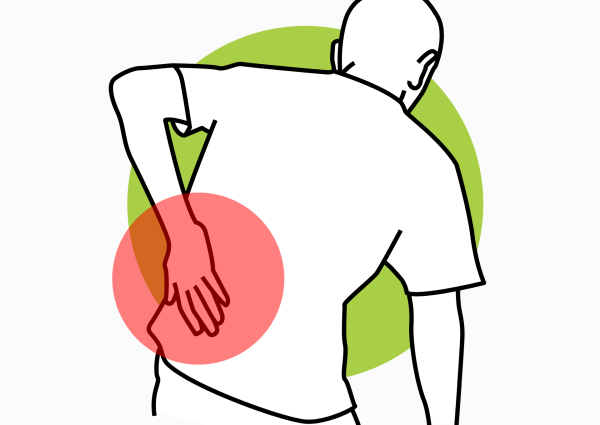
Chronic neck, shoulder, and lower back pain
Rounded shoulders and forward head posture
Reduced spinal mobility and joint stiffness
Mental fatigue, irritability, and burnout
Poor circulation and reduced energy levels
These issues rarely appear overnight. They develop gradually as the body adapts to prolonged stillness, repetitive postures, and sustained cognitive load.
Global health organizations identify physical inactivity as a major risk factor for mortality, strongly linked with cardiovascular disease, metabolic disorders, and musculoskeletal dysfunction. For working professionals, inactivity is not always a choice—it is often built into the structure of modern work.
Yoga offers a preventive, corrective, and restorative approach that addresses these challenges at their root. Rather than treating isolated symptoms, it works on posture, movement quality, stress regulation, and daily habits together—making it especially suited for desk-based professionals.
Why Working Professionals Need Yoga
1. Prolonged Sitting Alters Natural Posture
The human body is designed for regular movement, not prolonged sitting. When sitting becomes the dominant posture for most of the day, several structural changes occur:
Hip flexors shorten and tighten
Gluteal muscles weaken and lose activation
The thoracic spine becomes rounded
The cervical spine shifts forward to compensate
These adaptations increase mechanical stress on the neck and lower back while reducing postural efficiency.
Yoga counteracts these effects through:
Spinal extension, flexion, and rotation
Hip-opening movements that restore length and balance
Awareness-based posture correction
Rather than forcing posture, yoga helps the body regain its natural alignment through balanced strength and mobility.
2. Mental Stress Directly Impacts Physical Health
Modern work environments demand sustained attention, rapid decision-making, and constant availability. Deadlines, performance pressure, and digital overload keep the nervous system in a state of chronic activation.
This prolonged stress response leads to:
Elevated cortisol levels
Disrupted sleep patterns
Reduced focus and memory
Increased muscle tension and pain sensitivity
Yoga addresses this at a physiological level by activating the parasympathetic nervous system through controlled breathing, slow transitions, and mindful awareness. This shift supports recovery, emotional regulation, and cognitive clarity—critical factors for long-term professional performance.
Key Benefits of Yoga for Working Professionals
1. Improved Posture and Alignment
Posture is not a static position that can be “held” through willpower. It is the outcome of muscular balance, joint mobility, and nervous system regulation.
Yoga strengthens key postural muscles, including:
Upper back and scapular stabilizers
Deep core and pelvic floor muscles
Neck flexors and extensors
At the same time, it releases chronically tight areas such as the chest, hip flexors, and upper trapezius muscles. Over time, this balance allows the body to maintain upright posture naturally—without constant conscious correction.
2. Enhanced Spine Health
The spine relies on regular movement for nourishment and longevity. Prolonged immobility reduces circulation to spinal structures, contributing to stiffness and degeneration.
Gentle, controlled spinal movements in yoga:
Improve circulation to intervertebral discs
Support disc hydration and elasticity
Restore segmental spinal mobility
For desk-based professionals, this is especially important in the cervical and thoracic regions, which are often restricted by screen-based work.
Occupational health research consistently shows that yoga-based interventions reduce chronic low back pain and improve functional mobility in office workers.
3. Effective Stress Management
Yoga integrates multiple tools for stress regulation:
Pranayama (controlled breathing)
Slow, mindful transitions between postures
Relaxation and body awareness practices
These elements work together to calm the nervous system, reduce mental clutter, and improve emotional stability. Studies from academic medical institutions confirm yoga’s role in reducing anxiety, improving mood, and supporting workplace productivity.
For professionals, this translates into better focus, improved decision-making, and reduced burnout risk.
Common Desk-Related Problems and How Yoga Helps
| Desk-Related Issue | How Yoga Addresses It |
|---|---|
Forward head posture |
Neck alignment and extension practices |
Rounded shoulders |
Chest opening and scapular activation |
Lower back pain |
Core stability and spinal mobility |
Mental fatigue |
Breath awareness and relaxation |
Poor circulation |
Gentle inversions and joint movements |
Yoga works holistically, addressing multiple issues simultaneously rather than in isolation.
Essential Yoga Components for Working Professionals
1. Asana (Postures)
For working professionals, yoga practice should prioritize functional and therapeutic movements rather than complex or physically demanding poses.
Key focus areas include:
Seated and standing spinal mobility
Gentle backbends to counter forward flexion
Hip and shoulder mobility
Balance and grounding postures
Short, well-sequenced sessions practiced regularly are far more effective than occasional intense workouts.
2. Pranayama (Breathing Techniques)
Breathwork is a powerful yet underutilized tool for professionals. Stress often leads to shallow, rapid breathing, which reinforces nervous system imbalance.
Effective practices include:
Slow nasal breathing
Extended exhalation techniques
Simple breath awareness exercises
Many breathing practices can be performed at the desk, between meetings, or before sleep—making them highly accessible.
3. Mindfulness and Relaxation
Mental overload is one of the primary challenges faced by professionals. Short mindfulness and relaxation practices help:
Reduce cognitive fatigue
Improve emotional regulation
Enhance clarity and focus
Even 5–10 minutes of daily relaxation has been shown to produce measurable benefits in stress reduction and mental well-being.
How Yoga Fits into a Busy Work Schedule
A common misconception is that yoga requires long, uninterrupted time blocks. In reality, consistency matters more than duration.
Practical scheduling strategies include:
20–30 minutes of daily practice before or after work
Short movement or breathing breaks during the workday
Longer recovery-focused sessions on weekends
For professionals with time constraints, guided online yoga classes offer structure, accountability, and flexibility. Occupational health studies show that guided virtual yoga programs significantly reduce workplace stress and musculoskeletal discomfort when practiced consistently.
Yoga vs Gym Training for Working Professionals
While gym-based training improves strength and cardiovascular fitness, it often does not address the specific challenges of desk-based lifestyles.
Yoga uniquely supports:
Postural correction rather than muscle isolation
Joint mobility alongside strength
Nervous system regulation
Breath–movement coordination
Rather than replacing other forms of exercise, yoga complements them by addressing areas often neglected in conventional workouts.
Scientific Evidence Supporting Yoga for Desk Workers
Multiple studies support the benefits of yoga for working professionals:
Randomized controlled trials show significant reductions in neck and shoulder pain among office workers practicing yoga
Systematic reviews highlight yoga’s effectiveness in managing chronic musculoskeletal pain
Research links regular yoga practice with improved heart rate variability, an indicator of stress resilience
These findings support yoga’s role as a preventive and supportive intervention in occupational health.
Practical Tips for Working Professionals
To maximize benefits, yoga should be combined with simple ergonomic awareness:
Adjust chair height so hips are slightly higher than knees
Keep screens at eye level to reduce neck strain
Take brief movement breaks every hour
Practice gentle neck and shoulder mobility between meetings
End the day with calming breathwork or relaxation
Yoga becomes most effective when integrated into daily routines rather than treated as a separate activity.
Frequently Asked Questions
Working professionals often spend long hours sitting with limited movement, which affects posture, spine health, and stress levels. Yoga helps counter these effects by improving movement quality, posture awareness, and nervous system balance.
Yes. Yoga supports spinal mobility, muscular balance, and posture correction, which are commonly affected by prolonged sitting. Consistent practice can help reduce stiffness and discomfort related to desk-based work.
Short, regular sessions are effective. Practicing yoga for 20–30 minutes a day is generally sufficient to support posture, stress management, and overall well-being.
Yes. Yoga can be adapted to fit busy schedules through short daily sessions, online classes, or brief movement and breathing practices during the workday.
Yoga integrates breathing techniques, mindful movement, and relaxation practices that support nervous system regulation. These practices can help professionals manage stress and improve emotional balance.
No. Yoga does not require prior flexibility. Practices are designed to gradually improve mobility and strength based on individual capacity.
Yes. Guided online yoga classes provide structured instruction and flexibility, making them practical and effective for professionals with limited time or access to studios.
Yoga supports mental clarity by reducing stress and improving nervous system balance, which can positively influence focus, decision-making, and productivity.
Yoga complements other forms of exercise by addressing posture, mobility, and stress regulation. It does not need to replace gym workouts but can enhance overall physical balance.
Many professionals notice improvements in relaxation, posture awareness, and movement comfort within a few weeks of consistent practice. Long-term benefits develop with regular integration into daily life.


Conclusion
Yoga for working professionals is not about flexibility, trends, or aesthetics—it is a therapeutic lifestyle intervention designed for modern demands. By addressing posture, stress, and spine health together, yoga helps professionals remain productive, focused, and resilient in a desk-based lifestyle.
In an era where work is increasingly sedentary and mentally demanding, yoga offers a scientifically grounded, time-efficient, and sustainable solution for long-term health. When practiced consistently and mindfully, it supports not only physical well-being but also clarity, balance, and professional longevity.
Founder, Yoga Therapist & Ayurvedic Nutrition Guide at SoulKaya
Atul Gautam works with individuals and families to support lifestyle balance through structured yoga practice, breathwork, and supportive nutrition principles, focusing on long-term consistency and sustainable health habits.
Last updated: January 2026